


Trusted by Leading Brands




A TRUE® exclusive!


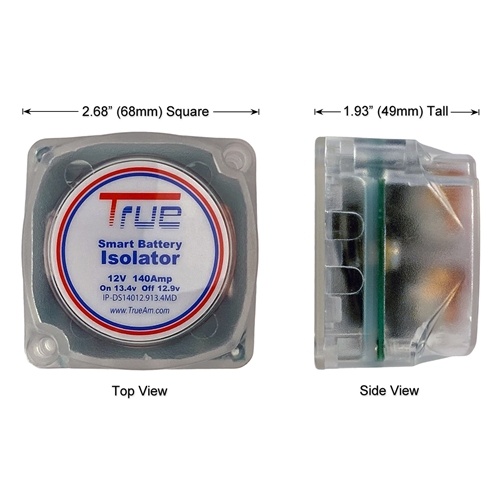
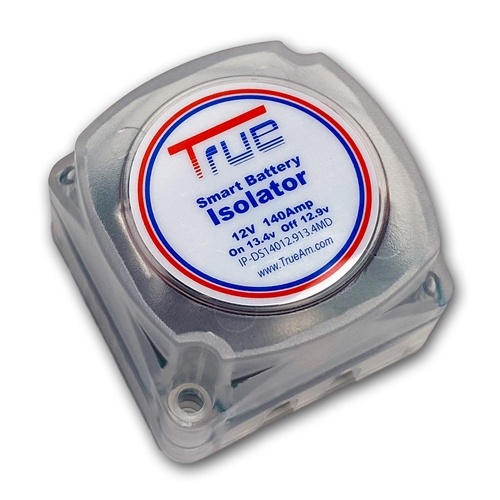
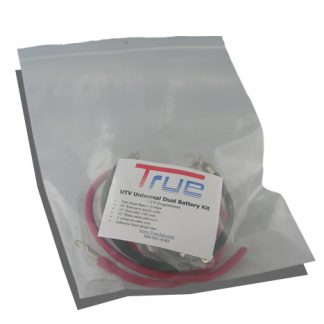
The True® 12v second battery isolator for car audio uses the most simplistic and modern technology to keep all of your batteries charged, utilizing the engine’s electrical system and isolating the starting battery. Hence, you never get yourself trapped in a deserted area without charge.
The True® automotive battery isolator kit employs the same voltage-sensitive relay that we put in our boat and camper to keep the secondary batteries charged while isolating the starter battery system to keep it charged. The beautiful thing about this is that you don’t have to rewire any alternator wires since they switch charging without you having to do anything!
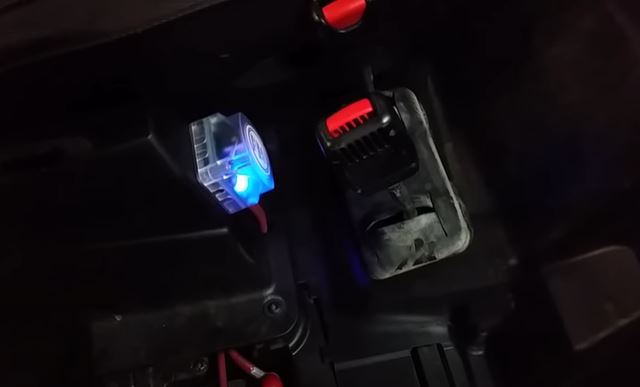
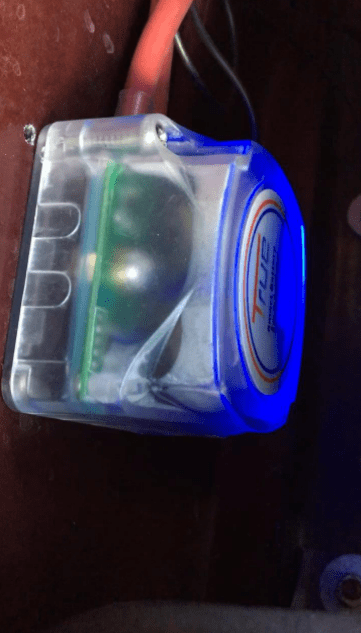
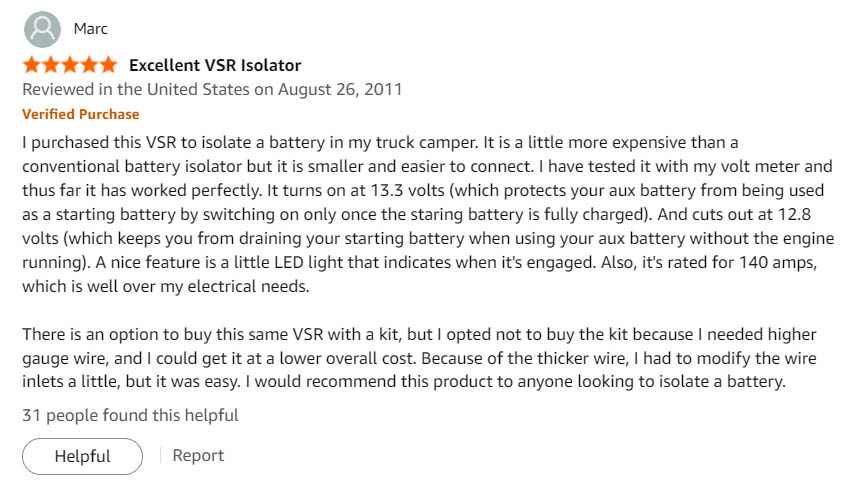
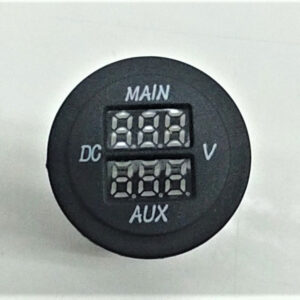
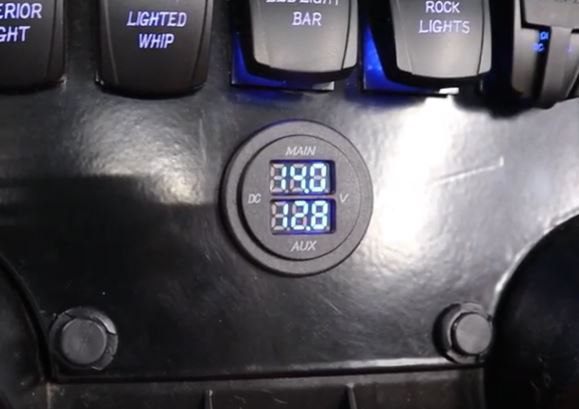
The auxiliary battery isolator kit for car audio and all other accessories offers the secure charging and isolation of starting and auxiliary batteries across all kinds of cars, RVs, four-wheel drives, campers, trucks, trailers, and even solar purposes. The starting and auxiliary batteries are split when you start the car, allowing you to charge only the starting battery. The voltage-sensitive relay activates when the charge voltage hits 13.3 volts, permitting both batteries to be charged. The light in the upper LH corner is activated to highlight this.
When the engine is turned off, and the battery voltage falls below 12.8 volts, the VSR disengages, isolating the starting and auxiliary batteries. At this moment, the True® 12v auxiliary car battery installation kit will turn the indicator light off and will continue to power any accessories without depleting the starting battery.
The voltage-sensitive relay (VSR) also includes dual sensing tech that monitors the charge of both batteries. As a result, if either battery receives a charge, for example, if a battery charger is attached to the secondary battery, the VSR will activate and charge both batteries. True® technology is renowned for its 12v car audio battery isolator with voltage-sensitive relay (VSR).
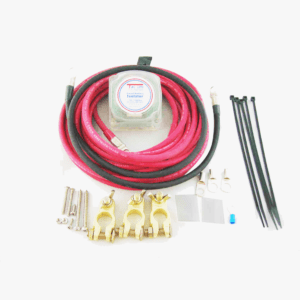
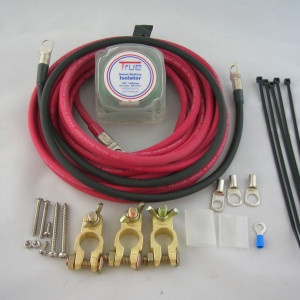
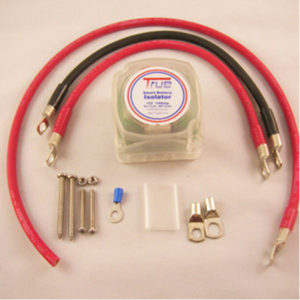
The True® automotive battery isolators are simple to install and includes the manual and all necessary components. Plus, there’s no need to damage any factory wiring, which could invalidate the manufacturer’s warranty.
Testimonials from Our Amazon Store
Frequently Asked Questions
Do I need to run a ground wire from the auxiliary battery to the main battery?
Do I need to add fuses to the system?
Yes. It is a safety precaution to add an extra inline fuse or circuit breaker between the main battery, the isolator, and the auxiliary battery. A common recommendation is a 100-140 amp fuse or breaker on the line coming from the second battery.
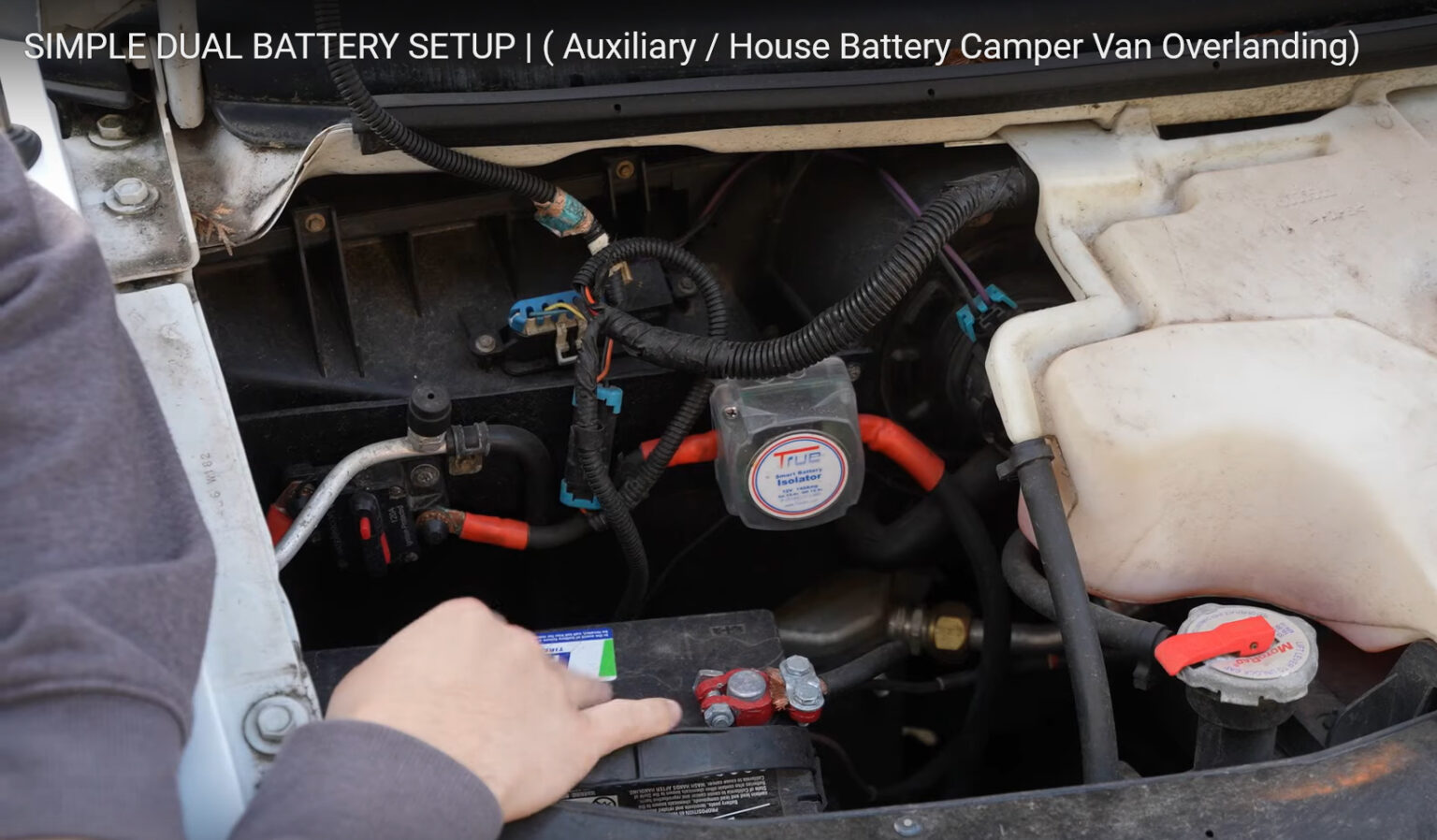
Ray R. Kawal –
To separate an auxiliary battery in my Chevy vehicle, I needed a high-quality relay. Despite being 30 years old, my OEM relay failed. The auxiliary battery is one of two batteries that my pickup camper uses; the second battery is located within the camper.
I experimented with three different isolation relays, and I thought well of two of them. The Stinger SGP32 was fined because of its lowest coil current, but after doing more research, I discovered this automatic battery isolator relay, which utilizes voltage rather than just an ignition circuit to operate in a clever way. Along with other Smart Battery Isolator, that also looked promising, I ordered one of them. They were nearly identical in design when I got them from Amazon and DFNA, and when I bench tested them, they both performed flawlessly. However, having a water-resistant isolator and LED indicator is an advantage, so I stay with the True brand.
Reviewed in the United States on September 4, 2019
reviewforyou –
For it being 2 simple voltage sensitive relays it is a little pricey at $75 bucks. But it works as advertised and does keep the batteries properly charged.
The only issue I see is that till all batteries in the system drop to about 12.7 volts it does keep them connected. I have mine on a diesel pick-up. I will have to place a heavy diode in the wire somewhere or a switch of some type in the winter due to the truck really needing the minimum of 13.3 volts the start batteries have without this slight issue. They are 14.77 volts at rest, and 13.3 in my use, is like a 12 volt battery being at 11.5vdc.
Jeric Sydney –
This gadget is fantastic and has already saved my life on several occasions! This keeps my primary battery’ isolated from the rest of my car’s electrical system. So even if those items (could) kill the secondary battery, I can still start my car and the isolator will charge the secondary battery. Thanks for saving my budget when I forgot to turn off the inverter at night!
TheThomas –
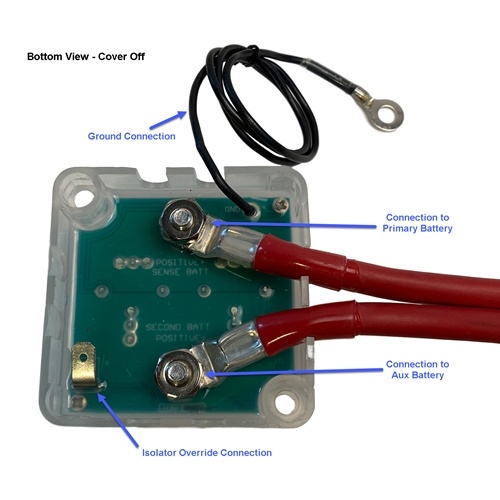
Between the instructions and the info printed on the motherboard, it was easy to install and feel confident that I know what’s happening
Justin Quiring –
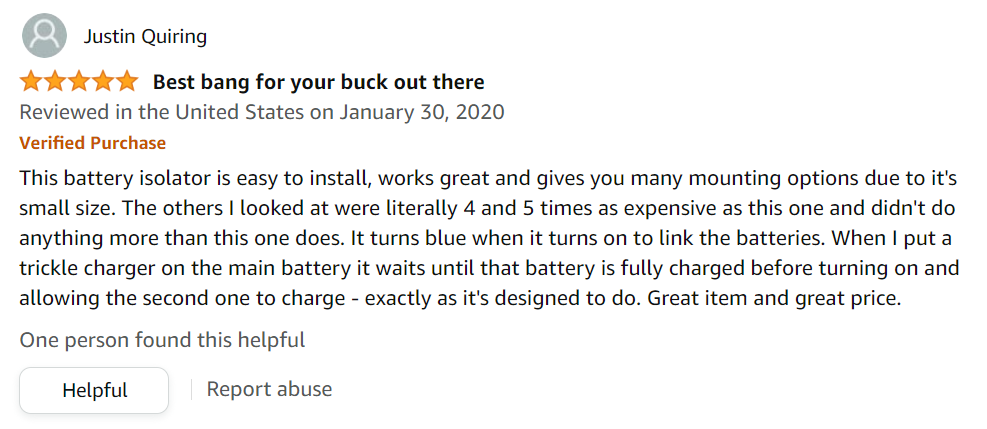
This battery isolator is easy to install
Jesse Steiner –
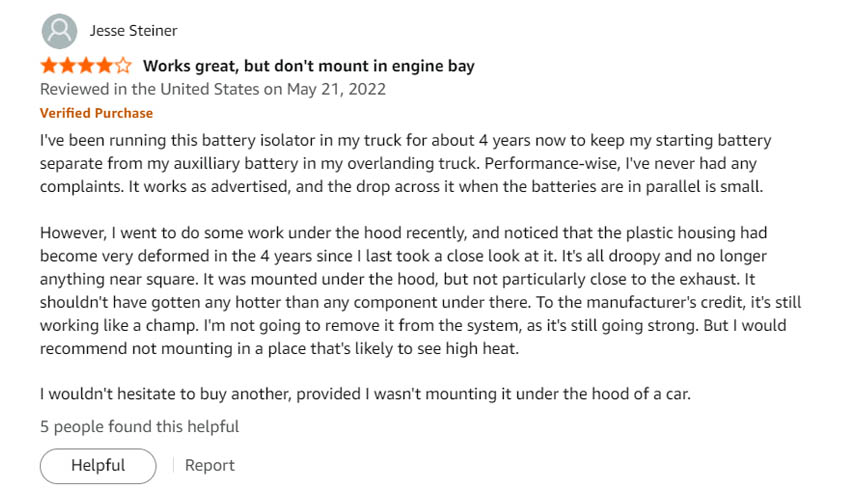
I’ve been running this battery isolator in my truck for about 4 years now to keep my starting battery separate from my auxilliary battery in my overlanding truck. Performance-wise, I’ve never had any complaints. It works as advertised, and the drop across it when the batteries are in parallel is small.
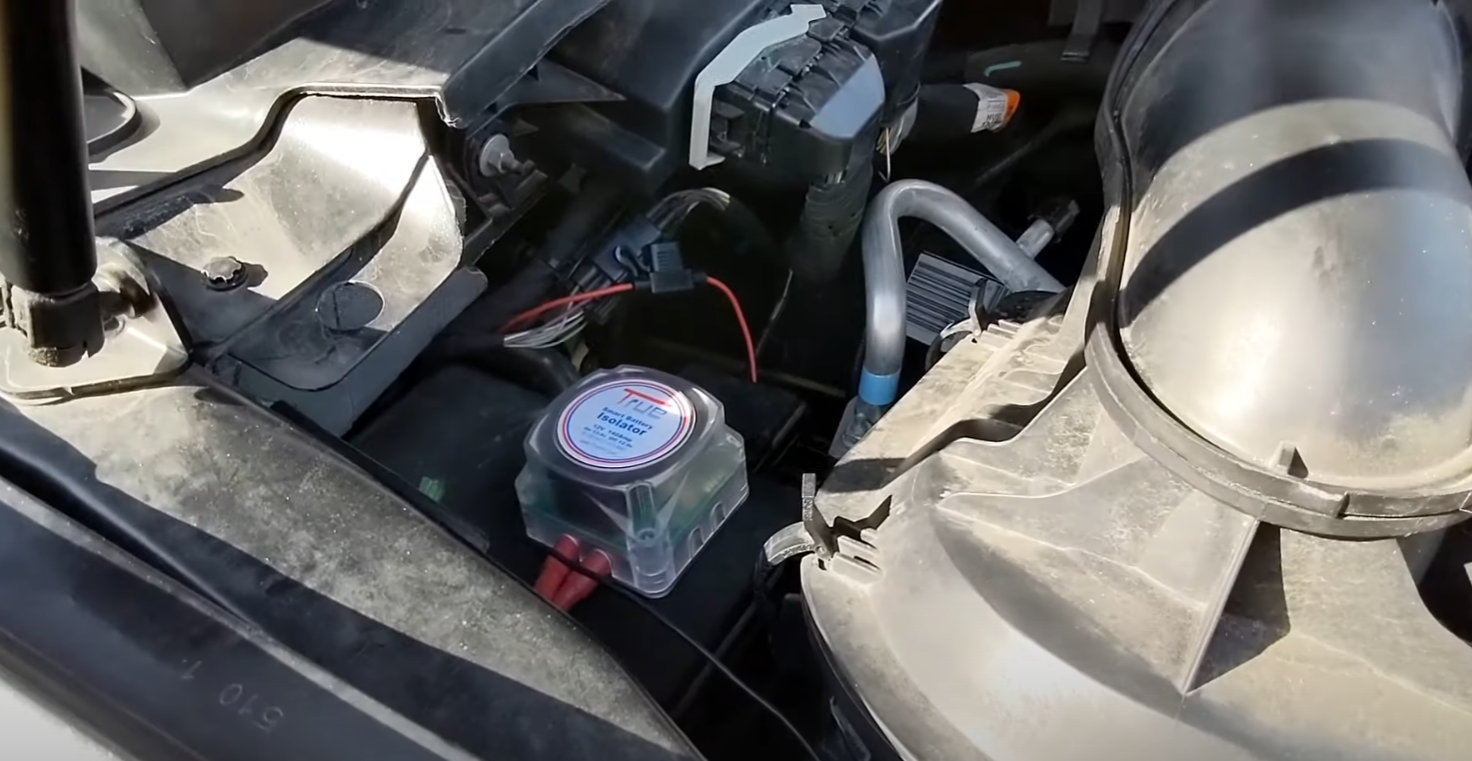
However, I went to do some work under the hood recently, and noticed that the plastic housing had become very deformed in the 4 years since I last took a close look at it. It’s all droopy and no longer anything near square. It was mounted under the hood, but not particularly close to the exhaust. It shouldn’t have gotten any hotter than any component under there. To the manufacturer’s credit, it’s still working like a champ. I’m not going to remove it from the system, as it’s still going strong. But I would recommend not mounting in a place that’s likely to see high heat.
I wouldn’t hesitate to buy another, provided I wasn’t mounting it under the hood of a car.
Verified Purchase
Pete Wilson –
Simple to put up. Ideal for my spare 8d lead acid battery installed in RVs. This technology help runs the appliances, lights, and charges in the van. No matter what the van is operating on, there is always enough alternator power to charge the backup. When choosing a ground to connect to the smart battery isolator, take care to ensure that it is always free of debris or dust. Excellent for the price.
Lori Smith –
Our camper van’s isolator was installed in about 15 minutes, and we are really happy with the result. We were having trouble using solar power to charge our batteries in the rain, so this is a fantastic backup for when we travel to our next destination. It
The simplest electrical configuration was achieved with the silent True Smart Battery Isolator.
It was packaged with simple, clear instructions.
To indicate whether it was charging, it had an LED light.
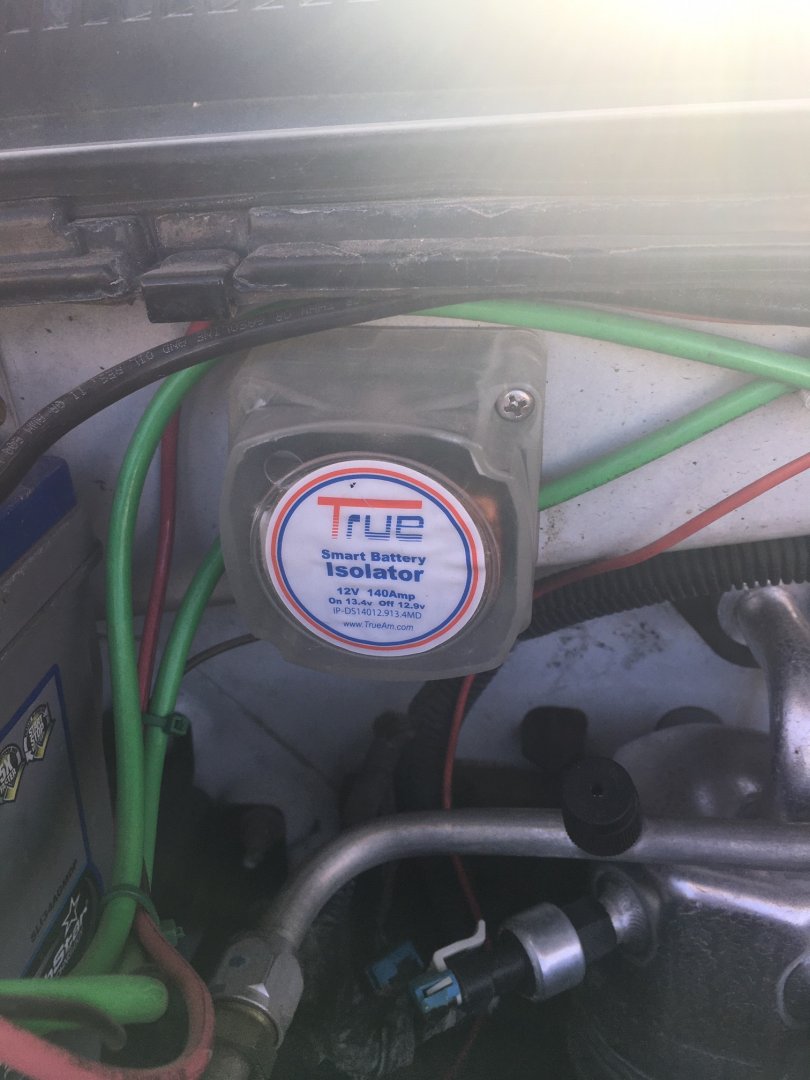
We placed it beneath the driver’s seat of our camper van because it was small and compact.
The extra battery charge and safety on those long, rainy weekends make it well worth the less than $200 price tag.
Steven Palsson –
Simple to put up. Ideal for my spare 8D lead acid battery, which runs the appliances, lights, and charges in the van. No matter what the van is operating on, there is always enough alternator power to charge the backup. Handle the isolator’s little black negative wire with caution. It isn’t robust. The wire needed to be soldered back onto the circuit board. Functions once more. Excellent product considering its price.
Jenny Hurby –
Actually, smart battery isolators are particular to Alabama. I was impressed by this kit’s ease of use and comprehensive feature list.
Because the wiring and casing of this dual battery system are heat-resistant to 360 degrees, you don’t need to install an additional inline fuse.
Dennis Goble –
I used it as a bank-up battery for my system and aux lighting four months ago. Functions perfectly and as it should.
William Garett –
This battery isolator for car audio was installed in a full-size 2010 GMC Sierra, and the second battery is a marine battery. It functions well and was reasonably simple to setup. In the battery isolator car audio kit, everything was included. The one modification I made was to solder the eyelets onto the wire rather than attempting to crimp them. To accomplish that, simply heat up the eyelets with a tiny butane flame and insert solder until it is bonded.
Billy Garz –
I purchased this for my Promaster, which serves as my home. Firstly, there are no openings on the sides for cables to exit, and the backplate will not fit over attached wires. It also doesn’t function with my lithium cells; either the voltage isn’t high enough to charge it or the batteries are damaged. Last but not least, even after I unplug the starter battery, the red light alerting me to its presence will remain on, suggesting that it may be depleting my home’s batteries. Ultimately, because I had to make a hole in the side in order to test it, I am unable to return it. I’ll be choosing a DC-DC charger made by a more reputable business.