
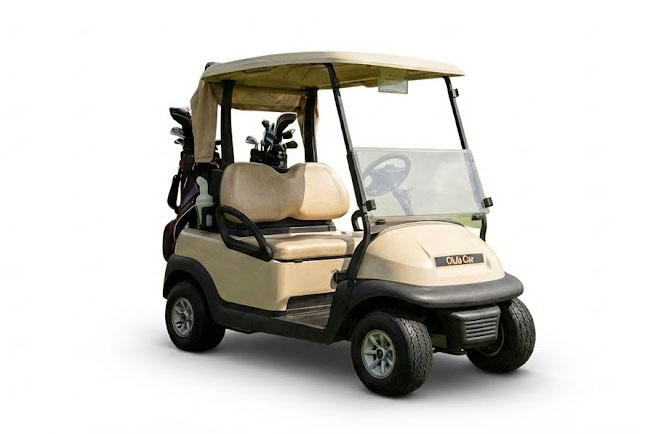
True® Amalgamated 4-Gauge 7 pc Club Car DS 1995 & Up Complete Battery Cable Kit
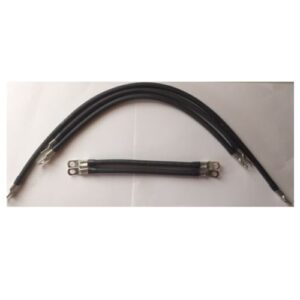
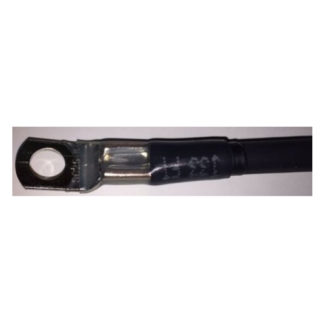
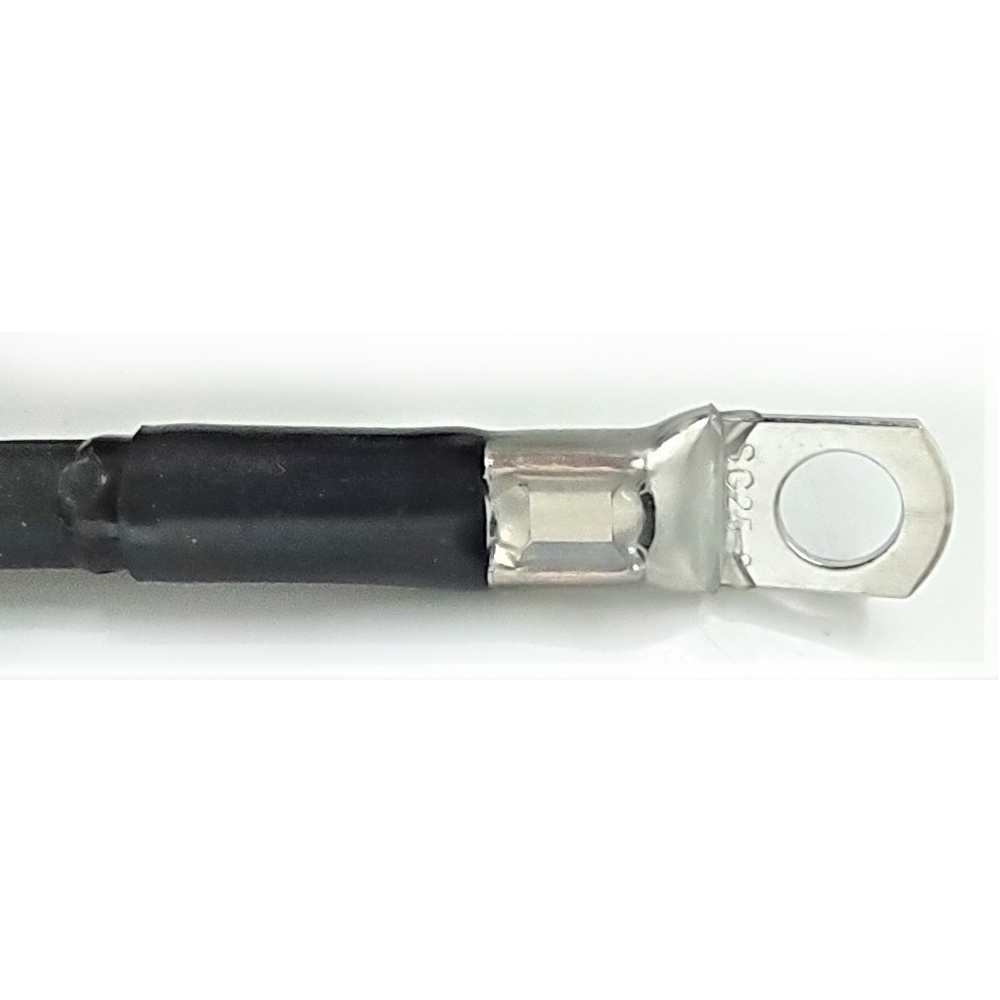
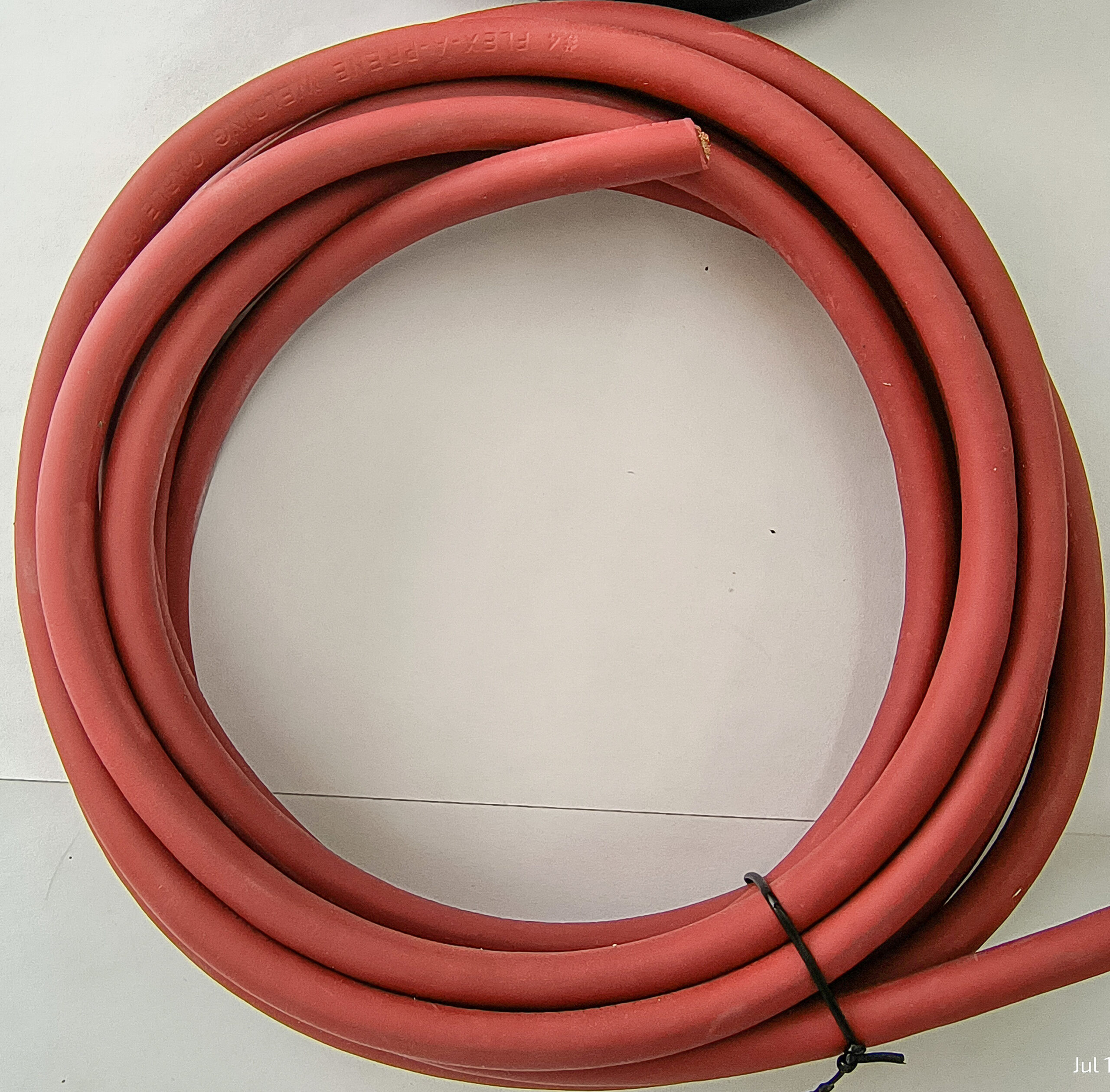
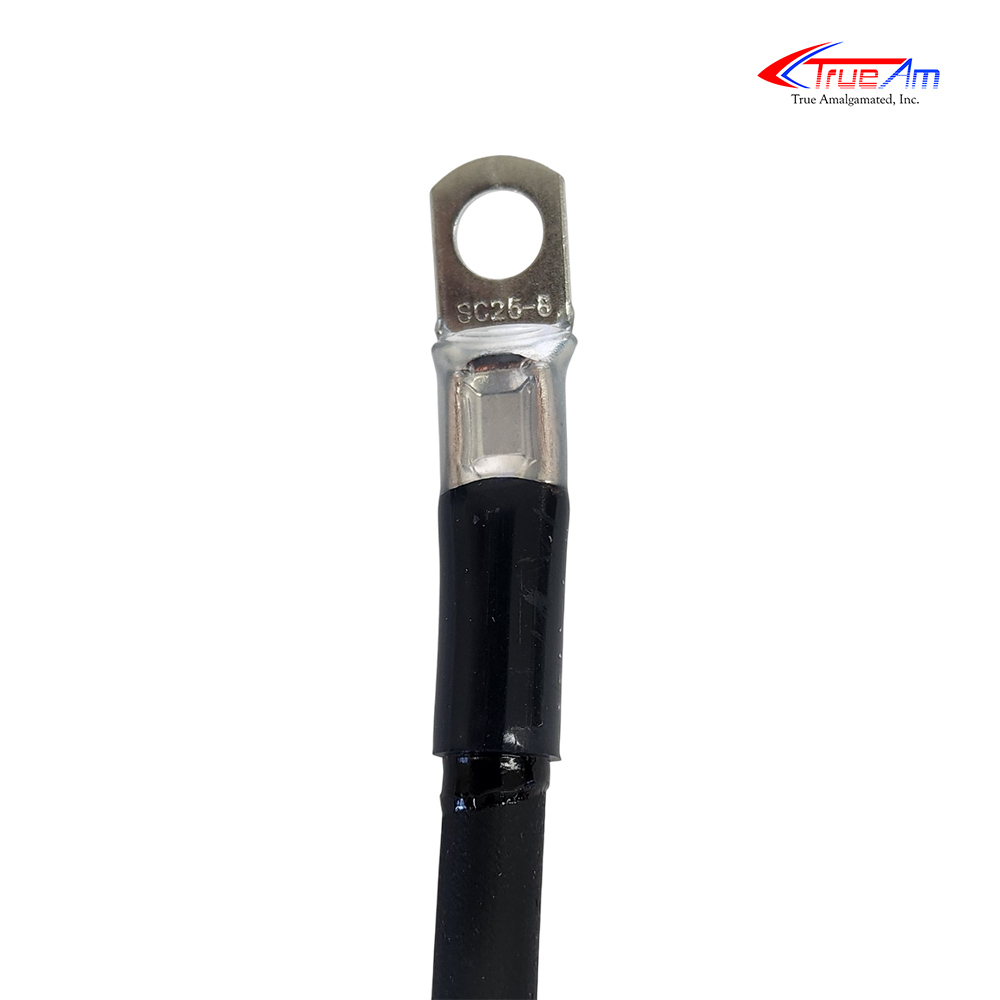
4 AWG HD 48-volt Club Car battery cables, a complete True® golf cart cable set. Best available 100% tinned copper crimp ends. Advanced feature: sealed with clear dual-walled adhesive-lined heat shrink. Terminals fit 5/16ths/8 mm studs. Standard heat shrink material does not seal the cable ends from infiltration of gases, acids, and moisture, which all result in CORROSION and loss of continuity and eventual failure.
True® brand Club Car golf cart battery cables are sealed with adhesive-lined tubing that provides a water-, acid-, and gas-tight seal, preventing anything foreign from reaching the fine copper strands of the cable. As close as you come to a “lifetime” cable.
Features
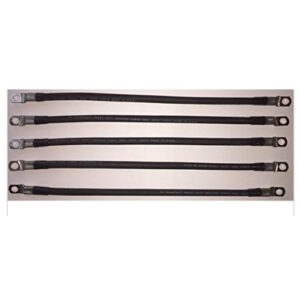
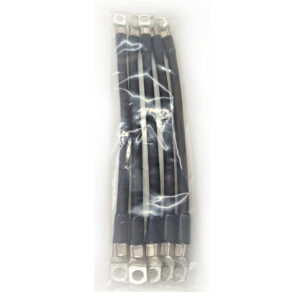
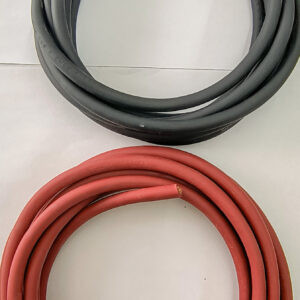
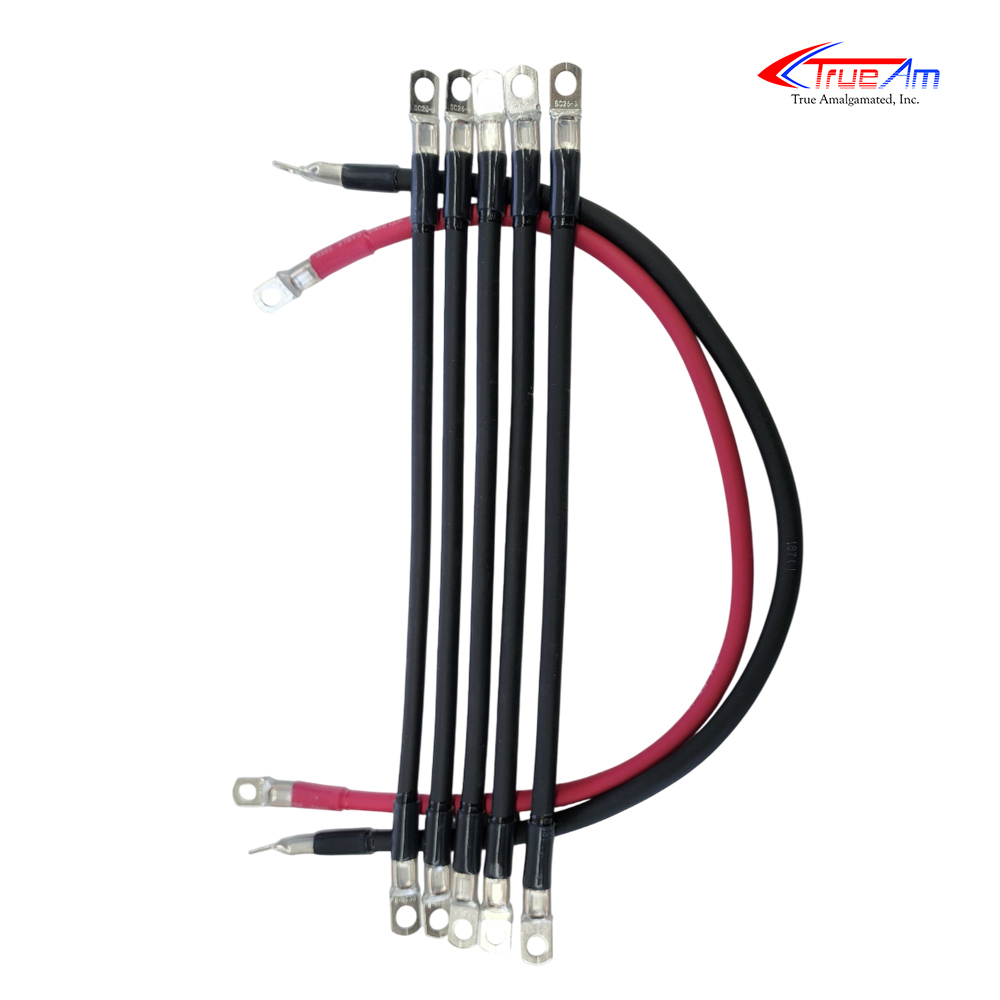
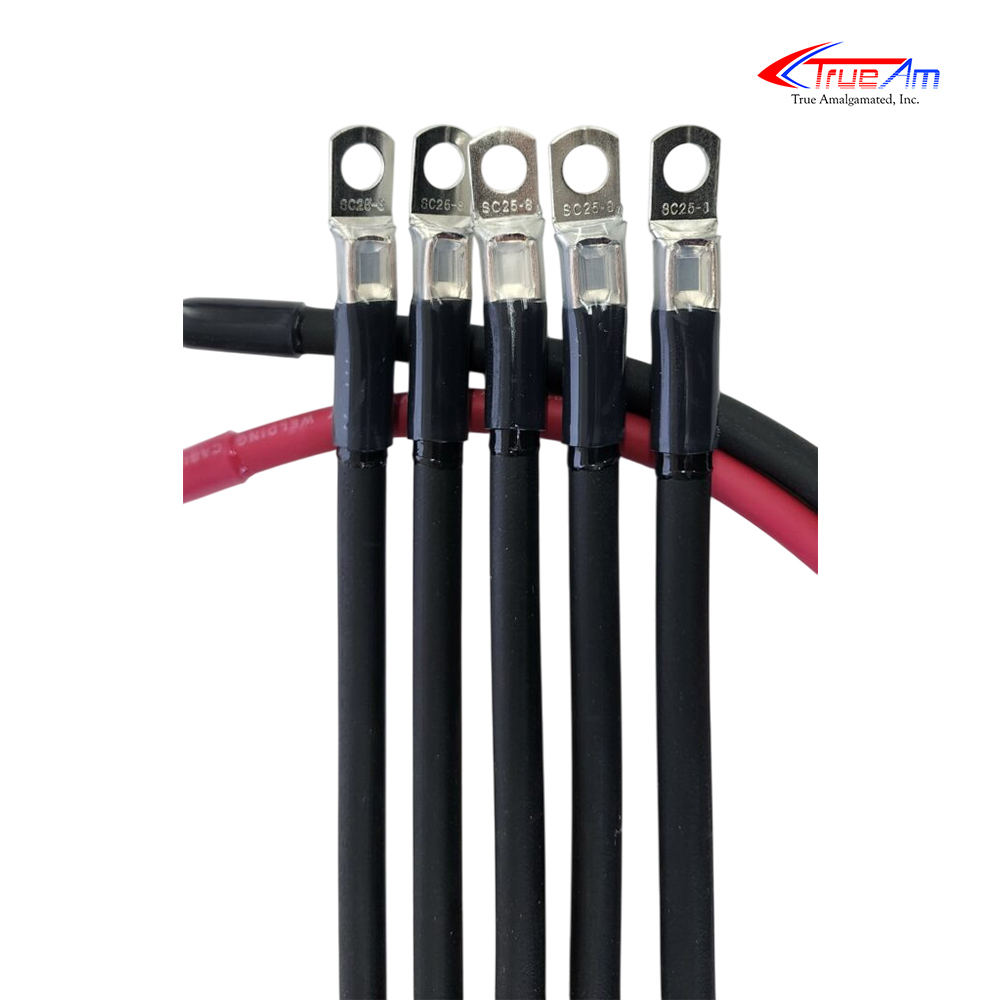
- Battery Cable Kit includes: 5 x 14″ black 4 AWG, 1 x 24″ black 4 AWG, and 1 x 24″ red 4 AWG cables
- High-Quality Materials: Made with 4 heavy-gauge wires, these battery cables are thicker and more resistant to flame, oil, grease, solvents, ozone, and abrasion.
- Safety of Use: The battery wire sheath is made of polyvinyl chloride, which effectively protects and isolates the copper wire, ensuring your battery wire functions normally.
- Increase Efficiency: Replacing your original Club Car battery cables with these improved versions can save electricity, prevent leakage, and reduce battery aging, resulting in longer-lasting drives.
- Maintain Reliable Performance: Reliable temperature range—can handle up to 105°C, ensuring reliable performance even in high-heat environments.
- Made in the USA: These 7 battery cables for Club Car golf carts are a proudly American-made product.
Frequently Asked Questions
What is the standard wire gauge for Club Car battery cables?
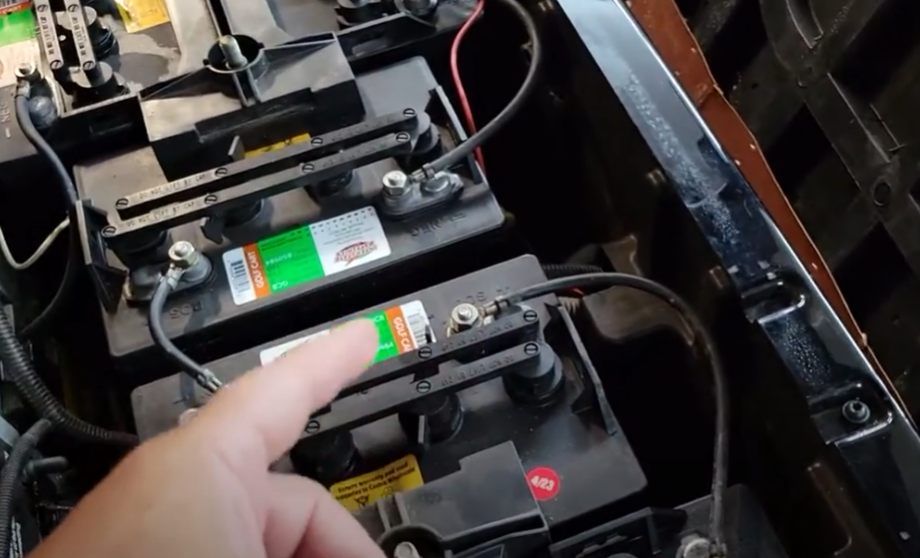
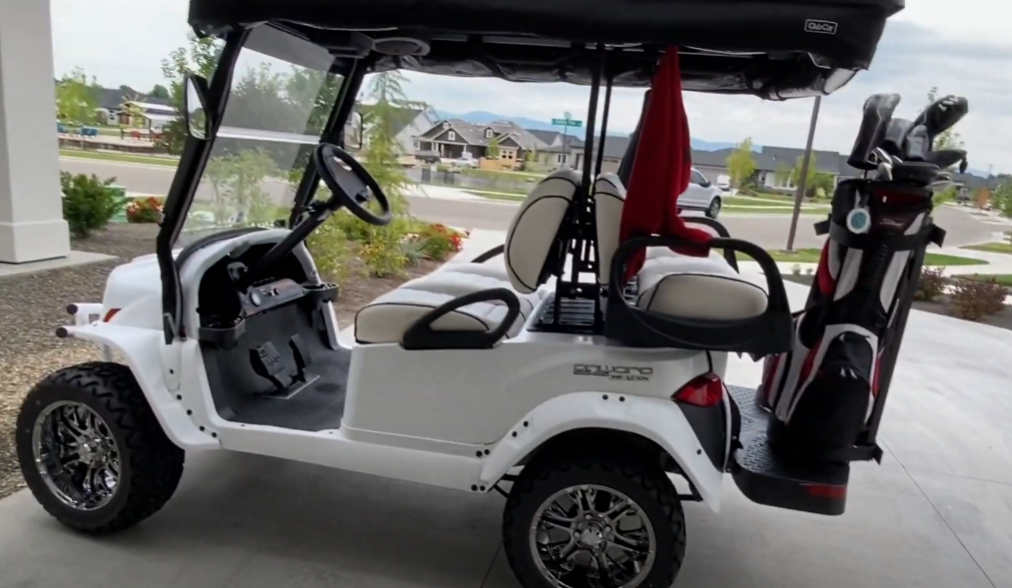
A: Most stock Club Car models (DS, Precedent, Onward) come from the factory with 4 AWG (American Wire Gauge) cables. This is sufficient for standard, non-lifted carts used for golf.
Why are my battery cables getting hot?
A: Heat is caused by electrical resistance. This usually means the connection is loose, the terminal is dirty/corroded, or the cable itself is internally corroded (even if it looks fine on the outside). A hot cable is a fire hazard and should be replaced immediately.
How can I tell if my club car battery cables are bad?
Signs of worn or failing cables include:
• Corroded or greenish battery terminals
• Cracks, fraying, or visible damage to insulation
• Difficulty starting or weak electrical power
• Intermittent electrical issues
If you see any of these, inspect and replace cables as needed.
Do battery cable length and routing matter?
Yes. Longer cables increase electrical resistance, lowering performance. Keep club car battery cables as short and straight as possible, and secure them away from heat or moving parts to prevent wear.
What is the correct torque for tightening club car battery cables?
Club Car Battery Cables generally recommends 95–105 in-lbs (approx. 8 ft-lbs).
Warning: Do not over-tighten. The battery terminals are made of soft lead; over-tightening can strip the threads or melt the lead post, ruining the battery.