

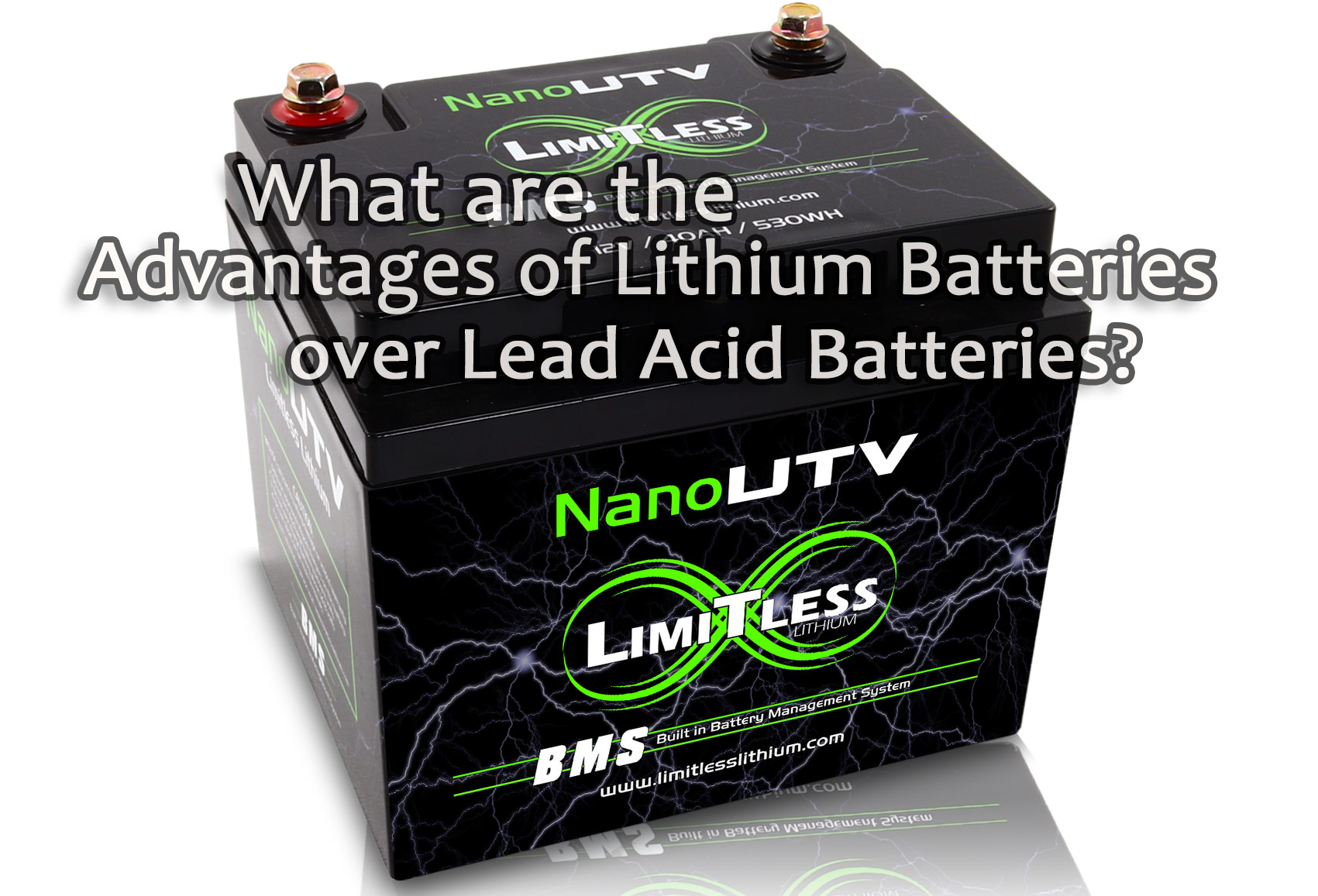
Advantages of Lithium ION Battery Over Lead Acid Battery?
Lithium-ion batteries offer several advantages over lead-acid batteries in various applications due to their superior performance and characteristics.
Here are some key advantages of lithium ion battery over lead acid battery:
Higher Energy Density:
Lithium-ion batteries pack 3–5 times more energy per unit of weight or volume than lead-acid batteries.
This means longer runtime and smaller, lighter designs, ideal for electric vehicles, portable electronics, and solar storage.
Maintenance-Free:
Lead-acid batteries require regular watering, terminal cleaning, and equalization charges.
Lithium-ion batteries are virtually maintenance-free, saving time and operational costs.
Longer Lifespan:
Lead-acid: ~3–5 years
Lithium-ion: 10+ years with proper care
They also handle more charge-discharge cycles without significant degradation.
Faster Charging
Lithium-ion batteries can reach 50% charge in just 25 minutes, and full charge in a few hours.
Lead-acid batteries may take up to 12 hours for a full recharge
Lithium-ion batteries can be charged and discharged at a faster rate than lead-acid batteries. This feature is particularly useful in applications where quick power bursts are required, such as power tools or electric vehicles that need rapid acceleration.
Greater Efficiency
- Lithium-ion: up to 96% efficient
- Lead-acid: ~75% efficient
This means less energy wasted during charging and discharging.
Lithium-ion batteries have higher charge and discharge efficiency compared to lead-acid batteries. This means that a larger proportion of the energy stored in a lithium-ion battery can be effectively used, resulting in less energy waste during charging and discharging cycles.
Lower Environmental Impact
Lithium-ion batteries produce no gas emissions during charging, unlike lead-acid which requires ventilation and water top-ups.
Though recycling is more established for lead-acid, lithium-ion’s longer life and efficiency reduce overall waste
Smart Battery Management
Built-in electronics in lithium-ion batteries monitor temperature, voltage, and charge levels, protecting the battery from misuse.
Lead-acid systems are more primitive and less adaptive.
 Lighter Weight: Lithium-ion batteries are significantly lighter than lead-acid batteries with similar energy storage capacities. This weight advantage is crucial for applications like electric vehicles, where reducing weight can improve overall efficiency and performance.
- Lower Self-Discharge Rate: Lithium-ion batteries have a lower self-discharge rate compared to lead-acid batteries. This means they can hold their charge for longer periods without significant loss, making them more suitable for applications where long periods of storage between uses are common.
- Compact Size and Flexibility: Lithium-ion batteries can be designed in various shapes and sizes, making them more adaptable to different form factors and applications. This flexibility is particularly advantageous in industries where space constraints are a concern.
- Environmental Impact: Lithium-ion batteries tend to have a lower environmental impact than lead-acid batteries. Lead-acid batteries contain toxic materials like lead and sulfuric acid, which can pose environmental and health risks during manufacturing, use, and disposal.
- Voltage Stability: Lithium-ion batteries provide more consistent voltage output over their discharge cycle compared to lead-acid batteries, which can have voltage fluctuations as they discharge.
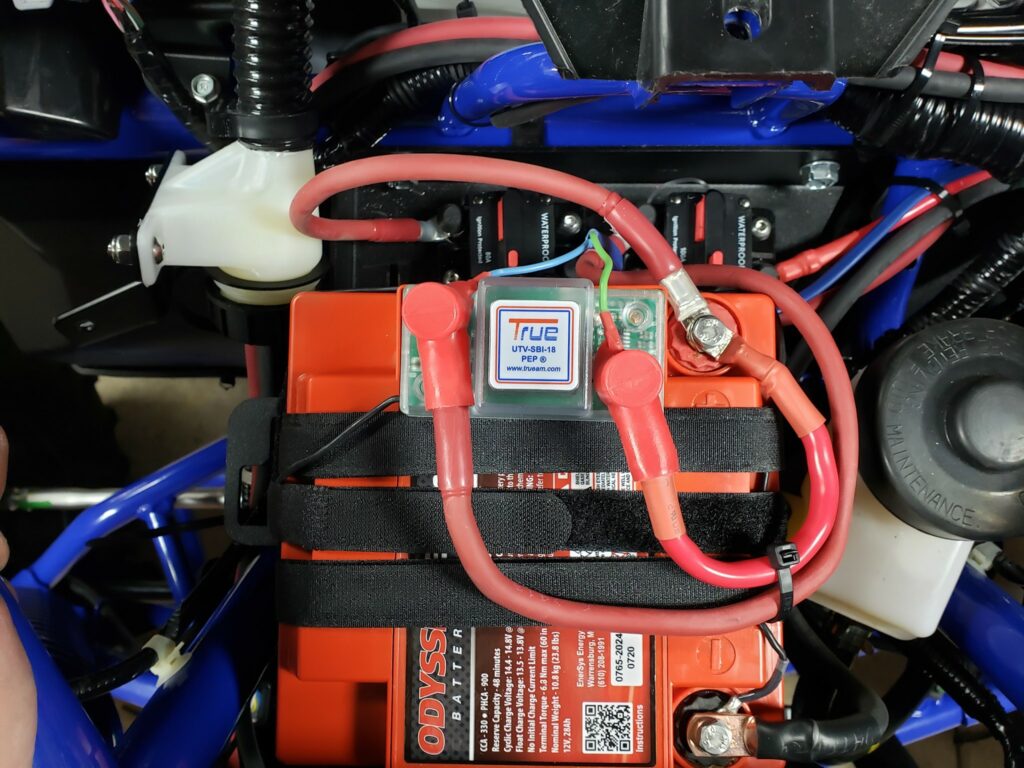
While lithium-ion batteries offer numerous advantages, it’s important to note that they also have some drawbacks, including higher initial cost, potential safety concerns if mishandled or damaged, and the need for careful charging and management to prevent overcharging or deep discharging. The choice between lithium-ion and lead-acid batteries depends on the specific requirements of the application and the trade-offs that best suit those requirements. The Advantages of Lithium ION Battery Over Lead Acid Battery are favoring ION battery except that harvesting ION Lithium battery have more environmental effect today as other electronics shifted with lithium including vehicles and shipping industry.
Summary of the “Advantages of Lithium ION Battery Over Lead Acid Battery?”
Lithium-ion batteries offer higher energy density, longer lifespan, and faster charging compared to lead-acid batteries. They are lighter, more compact, and maintain consistent performance over time. Additionally, they have lower self-discharge rates and require minimal maintenance, making them ideal for modern applications.