


Ford Transit Dual Battery Upgrade Kit: AGM vs. Lithium — Which Auxiliary Battery Is Best?
When upgrading your Ford Transit with a dual battery kit, one of the most important decisions you’ll face is choosing the right auxiliary battery. The two most popular options are AGM (Absorbent Glass Mat) and Lithium (LiFePO₄). Both have unique strengths, but the best choice depends on your budget, usage, and long-term goals.
Let’s break down the differences so you can make an informed decision.
AGM Batteries: Proven Reliability at a Lower Cost
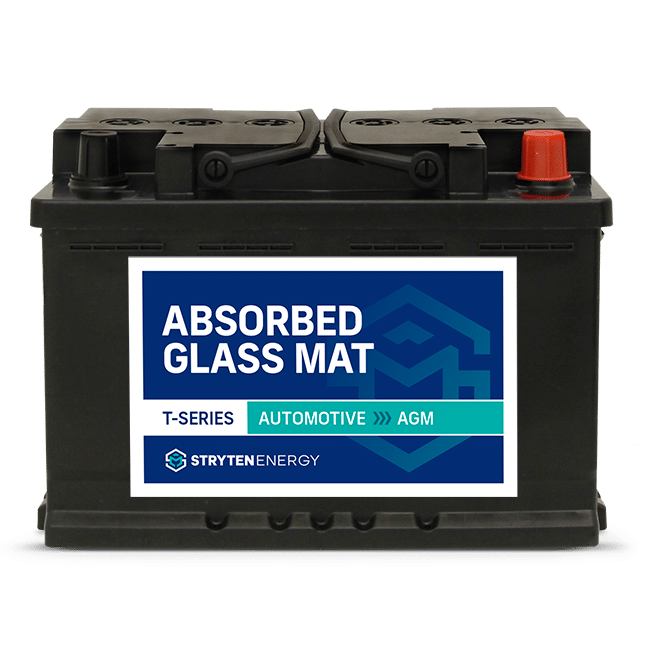
AGM batteries are a type of sealed lead-acid battery that use fiberglass mats to hold the electrolyte. They’ve been the go-to choice for auxiliary setups for years, especially in vans, RVs, and car audio builds.
Advantages of AGM and True Isolator as your Ford Transit Dual Battery Upgrade Kit
- Affordable: AGM batteries are significantly cheaper than lithium, making them ideal for budget-conscious Ford Transit owners.
- Durable: They handle vibration and temperature swings well, which is perfect for work vans or camper conversions.
- Simple charging: AGM batteries are fully compatible with standard alternators and isolators, so you don’t need special charging equipment.
- High surge capacity: Great for short bursts of power, such as running amplifiers or inverters.
Limitations of AGM:
- Weight: AGM batteries are heavy, which can be a drawback if you’re trying to save space or reduce load.
- Cycle life: Typically 300–500 cycles, meaning they wear out faster under deep discharge conditions.
- Efficiency: They don’t recharge as quickly as lithium, so recovery after heavy use takes longer.
Lithium Batteries: Lightweight Powerhouses
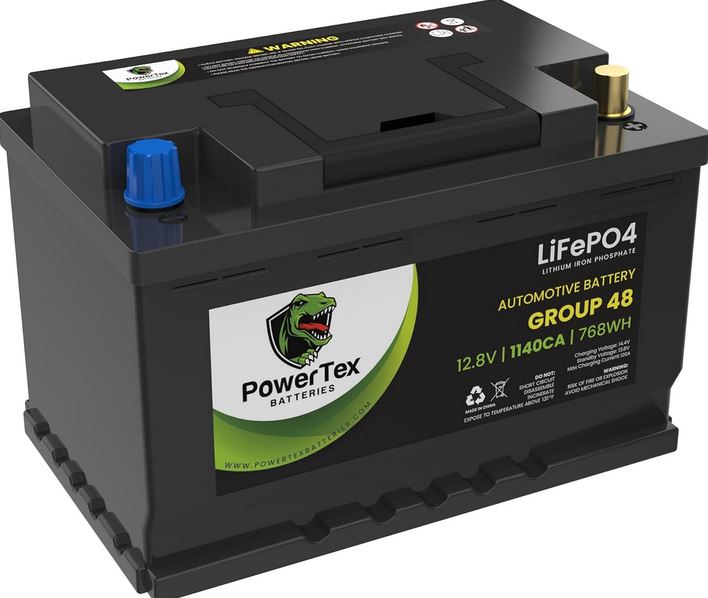
Lithium iron phosphate (LiFePO₄) batteries are the newer technology, offering impressive performance for van life and high-demand electrical systems.
Advantages of Lithium and True Isolator as your Ford Transit Dual Battery Upgrade Kit
- Lightweight: Up to 50% lighter than AGM, freeing up payload capacity in your Transit.
- Long cycle life: 2,000–5,000 cycles, which means they can last 8–10 years with proper care.
- Fast charging: Lithium batteries accept charge quickly, reducing downtime between uses.
- Deep discharge capability: You can safely use 80–90% of their capacity without damaging the battery.
- Stable voltage: They maintain higher voltage under load, which is ideal for sensitive electronics and audio systems.
Limitations of Lithium:
- Cost: Lithium batteries are 2–3 times more expensive than AGM.
- Charging requirements: They often need a DC-DC charger or smart isolator to ensure proper charging from your alternator.
- Cold weather performance: Lithium struggles in freezing temperatures unless equipped with a heating element.
Which Is Best for Your Ford Transit?
- Choose AGM if: You want a reliable, cost-effective solution for occasional use, work van accessories, or a starter dual battery setup. AGM is simple, proven, and budget-friendly.
- Choose Lithium if: You’re investing in a long-term van life build, running high-demand electronics, or want maximum efficiency and lifespan. The upfront cost is higher, but the performance and longevity often justify the investment.
Final Thought
For Ford Transit owners, the decision comes down to budget vs. performance. AGM batteries are dependable and affordable, making them a solid choice for most Ford Transit dual battery upgrade kits. Lithium batteries, on the other hand, deliver superior power density, faster charging, and longer life — perfect for serious van conversions or heavy-duty electrical systems. At the age of Generation Alpha where drone become tools for every human activities and more vehicles are running round the clock with electric, the e-technology is the future.
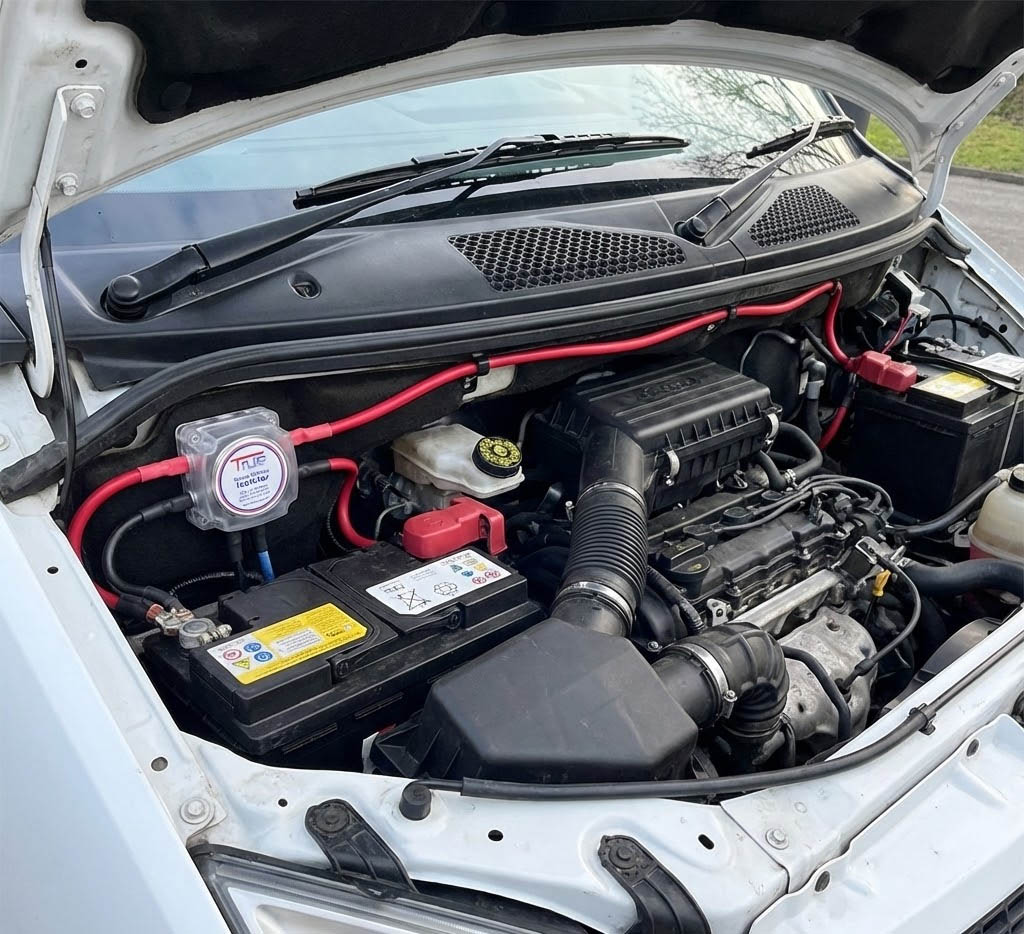
Whichever you choose, pairing it with a Smart True Isolator ensures your starter battery stays protected while your auxiliary battery powers the gear that makes your Transit more capable, whether for work or adventure.