

How to Prevent Car Battery Failure and Save on Costly Repairs
Preventing car battery failure is mostly about maintenance, proper usage, and catching early warning signs. Here’s a practical, easy-to-follow guide to keep your battery reliable:
1. Keep Battery Terminals Clean & Tight
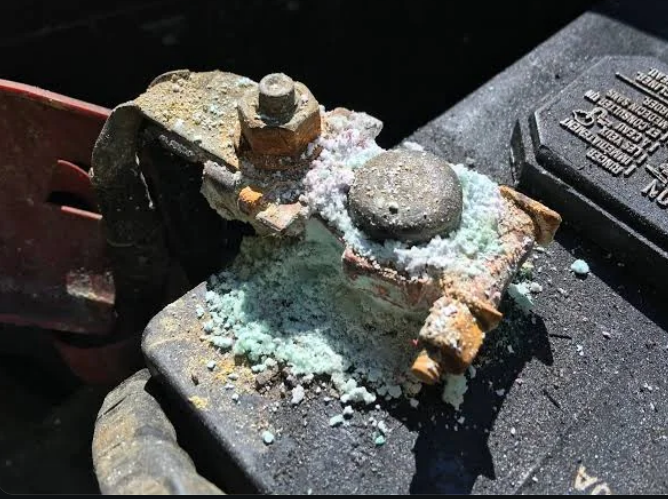 Loose or corroded terminals are one of the most common causes of battery failure. Corrosion (that white, ashy powder) acts as an insulator, preventing the alternator from fully charging the battery and making it harder for the starter to draw power.
The Fix: Clean terminals with a stiff brush and a paste of baking soda and water. Rinse with plain water and dry thoroughly.
What to do:
Inspect terminals regularly for white/green corrosion
Clean using baking soda + water
Tighten connections securely (not overly tight)
2. Drive Long Distances Regularly and Avoid Short Trips Only
Short trips (under 10–15 minutes) are actually “starving” your battery. The alternator needs time to replace the massive amount of energy used to crank the engine. If you only drive short distances, the battery stays in a state of partial discharge, leading to sulfation—the #1 killer of lead-acid batteries.
The Fix: Take a 30-minute highway drive at least once a week
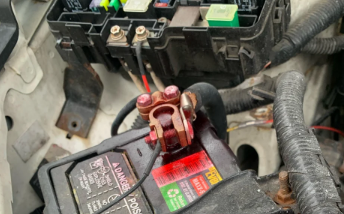
3. Minimize “Parasitic” Loads
- Modern cars never truly “turn off,” but you can limit the extra drain.
- Ensure all interior lights and headlights are off before exiting.
- Unplug GPS units, dashcams, or phone chargers if the 12V outlet in your car remains “hot” (powered) when the engine is off.
4. Secure the Battery
Vibration is a silent killer. If the battery hold-down bracket is loose, the internal plates can rattle, leading to short circuits and physical damage.
The Fix: Give the battery a gentle shake; if it moves, tighten the mounting hardware.
5. Turn Off Electronics When Engine is Off
Leaving devices on drains the battery quickly.
Common culprits:
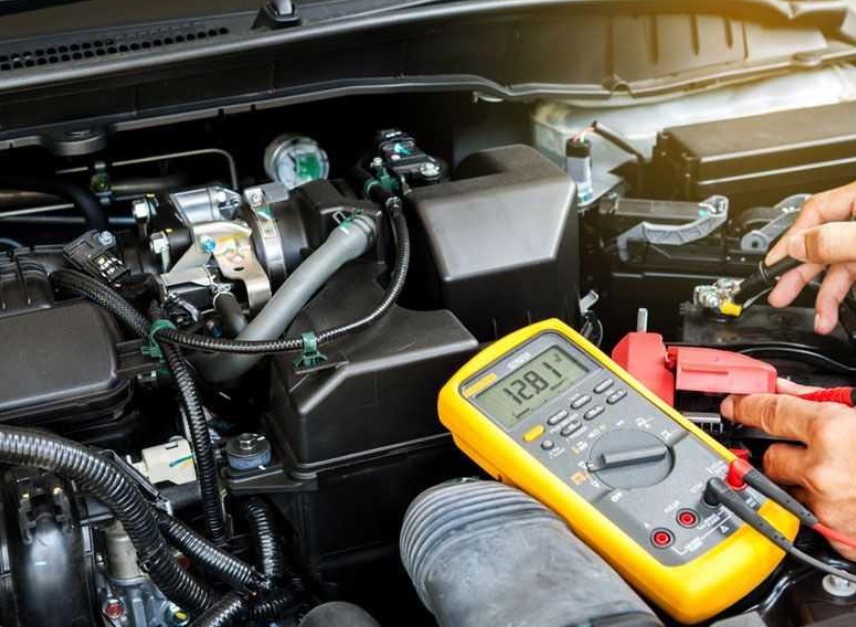
Interior lights, Phone chargers, accessories, not fully close doors, sound system
6. Protect Battery from Extreme Temperatures
Heat is actually the #1 battery killer (even more than cold).
What helps:
- Park in shaded areas
- Use a battery insulation wrap if needed
- Avoid prolonged exposure to extreme heat
7. Test Your Battery Periodically
Don’t wait for failure—test early.
 How often:
-
Every 3–6 months
-
Before long trips
Most car batteries last 2–5 years, depending on use and climate.
8. Implement Dual Battery System with Isolator Kit
Implementing a dual battery system with an isolator kit is one of the best ways to prevent battery failure, especially if you run accessories (lights, winch, fridge, sound system, etc.). It protects your main battery while giving you reliable auxiliary power.