

How to Prevent Your Car Battery from Dying
A dead car battery is one of the most common and frustrating problems drivers face. Fortunately, with a few simple habits and regular maintenance, you can significantly extend your battery’s life and avoid unexpected breakdowns.
Common Causes of Car Battery Failure
1. Leaving headlights, interior lights, or accessories on when the engine is off.
Headlights, interior lights, and even phone chargers can slowly drain the battery if left unattended. Always double-check that everything is turned off before exiting your vehicle. Many modern cars have automatic shut-off features, but it’s still a good habit to develop.
2. Infrequent driving or long periods of vehicle inactivity.
Regular driving is also essential. Car batteries recharge while the engine is running, so if your vehicle sits unused for long periods, the battery can lose its charge. Try to drive your car at least once every few days, preferably for 15–30 minutes, to keep the battery properly charged. If you don’t use your car often, consider using a battery maintainer or trickle charger.
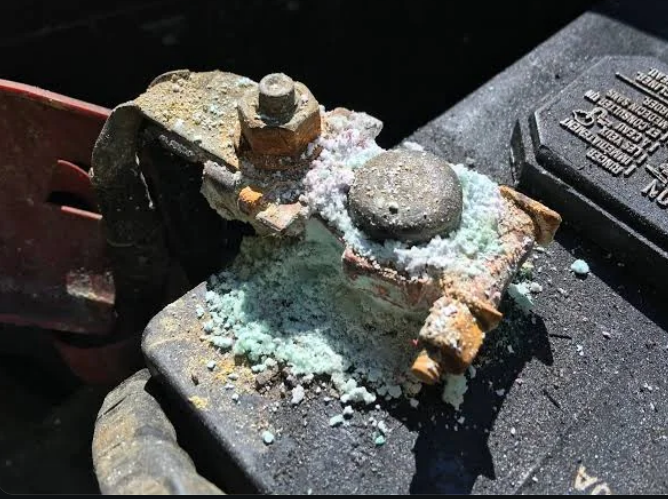
3. Corrosion buildup on battery terminals.
Keeping the battery clean and secure is another important step. Corrosion on battery terminals can interfere with the connection and reduce efficiency. Check your battery periodically for any white or bluish buildup and clean it using a mixture of baking soda and water if needed. Also, ensure the battery is tightly secured, as excessive vibration can damage internal components.
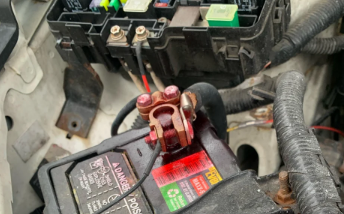
4. Loose or poorly secured battery connections.
Loose or poorly secured battery connections are a surprisingly common cause of car battery failure because they interrupt the smooth flow of electricity between the battery and the vehicle’s electrical system. Your car relies on a solid, stable connection between the battery terminals and the cables to deliver power.
5. Extreme temperatures (both hot and cold weather).
Extreme temperatures can also affect battery performance. Hot weather can cause battery fluid to evaporate, while cold weather can slow down the chemical reactions inside the battery. Parking your car in a garage or shaded area can help protect it from harsh conditions. In colder climates, using a battery blanket can also be beneficial.
6. Aging battery (typically over 3–5 years old).
Routine inspection and testing are key. Most car batteries last between three to five years, depending on usage and conditions. Have your battery tested during regular vehicle maintenance to ensure it’s still holding a proper charge. If you notice slow engine cranking, dim headlights, or electrical issues, these could be signs that your battery is weakening.
7. Frequent short trips that don’t allow the battery to fully recharge.
Avoid short trips whenever possible. Starting your car requires a large amount of power, and short drives may not give the battery enough time to recharge fully. Combining errands into one longer trip can help maintain a healthy charge level.
8. Faulty charging system (such as a failing alternator).
A faulty charging system directly affects your battery’s ability to recharge while driving. Your car battery provides the initial power to start the engine. Once the engine is running, the alternator takes over. It generates electricity to power the vehicle’s systems (lights, radio, ECU, etc.) and recharges the battery at the same time. If this system doesn’t work properly, the battery will eventually run out of power.
By following these simple practices, you can extend the life of your car battery, improve your vehicle’s reliability, and avoid the inconvenience of being stranded with a dead battery.
Related post: