

How to Wire a Voltmeter to a Battery?
A voltmeter is an instrument used to measure the electrical potential difference (voltage) between two points in a circuit. It’s essential for diagnosing and monitoring electrical systems.
A voltage meter on your vehicle’s dashboard plays a vital role in tracking battery and alternator health. It alerts you to abnormal electrical levels, preventing unexpected breakdowns, battery failure, or charging system issues. Staying informed allows timely maintenance, saving you from costly repairs and ensuring your car runs smoothly and reliably.
Step-by-Step Guide: How to Hook up a Voltmeter 12V
Assemble Your Supplies
- Use premium True® 12V digital battery voltage meter (dual) for automotive & marine application
- Two 12V batteries (auxiliary and main)
- 5A–10A inline fuses are advised.
- wire for electricity (16–18 AWG)
- Soldering tools or crimp connectors
- Toggle switch (manual selection, optional)
- Multimeters, wire strippers, and cutters
- Get the True® official 12 volt battery voltage meter wiring diagram
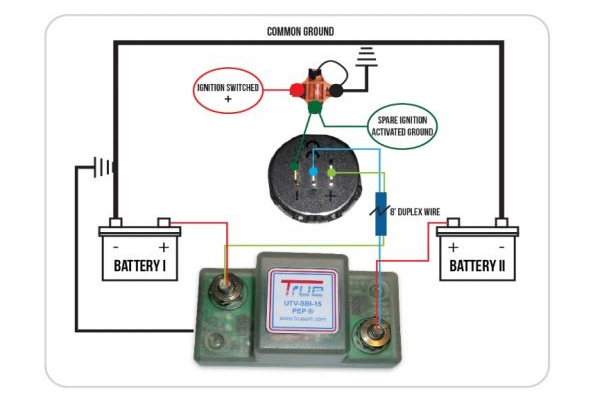
Make a Wiring Layout Plan
- Choose a single-wire dual-display voltmeter from True® website or distributor and avoid the hassle of two independent battery voltage meters for the car.
- Make sure the voltage meter for battery is mounted in an easily accessible and visible area.
Attach the Primary Battery to the voltage meter
- Connect the positive terminal of the primary battery to the input of the 12 volt meter gauge with a positive wire.
- A fuse should be added inline near the battery terminal.
- Attach the volt meter’s negative wire to either Battery 1’s negative terminal or a common ground.
Attach secondary battery to the digital battery voltage meter.
- For secondary battery, follow the same steps:
- Positive wire to the input of a 12 volt digital meter (or toggle switch)
- An inline fuse next to the battery
- Negative wire → grounding
Test the System
- Use a multimeter to verify voltage at each connection.
- Turn on the car battery voltage meter and confirm it displays accurate readings for each battery.
- Check that fuses are intact and wires are secure.
A voltmeter is safe when used correctly, but if it’s part of an electrical modification or causes damage, it could jeopardize your warranty coverage
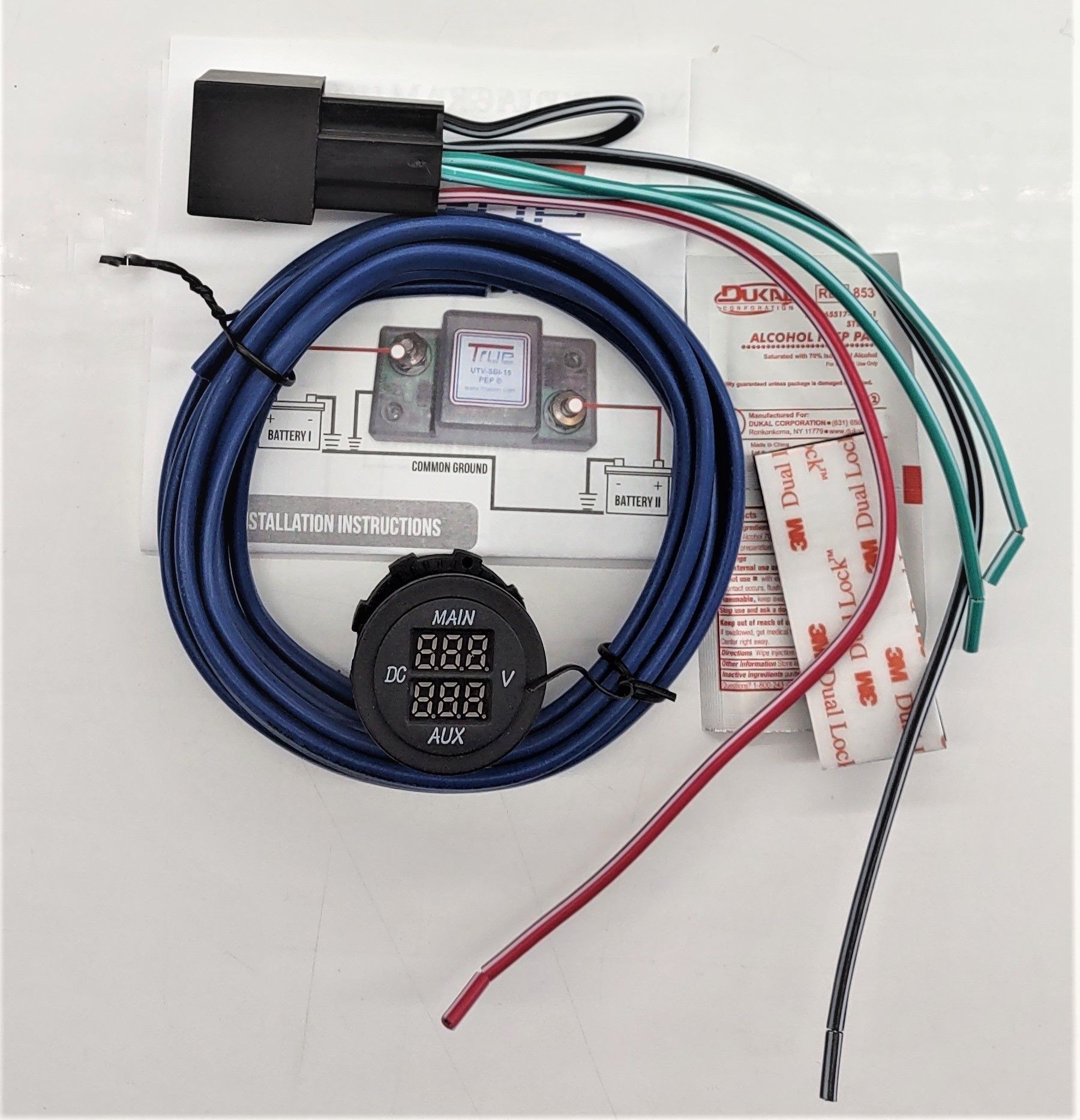
Vehicle Safety Voltmeter Kit Checklist
Steer clear of wire splicing or permanent installation into OEM systems.
Look for sections on electronics, diagnostics, and warranty exclusions.
True® voltmeter kit are always warranty friendly.
Avoid unplanned surges or onboard electronics interference.
Make sure the 12 volt display meter is set appropriately for either DC or AC and within intended voltage range.
Always connect across the battery or terminal; never stop the current flow.
Never directly probe sensor lines or ECU pins unless specifically authorized.
Before each use, inspect damaged leads for sparks or short circuits.
Any changes may be considered tampering and affect your vehicle’s warranty.
How to wire dual battery volt gauge. Via Relay or Dual Battery Setup
Video credit: @earepairs4217
Interested on how to test a deep cycle battery with a multimeter? Let us know.