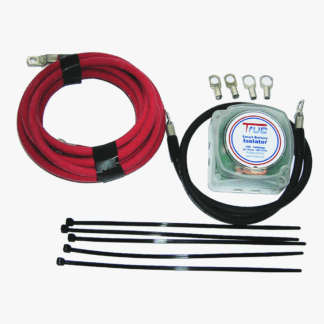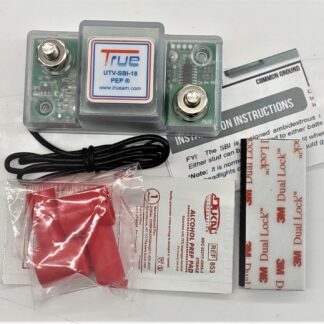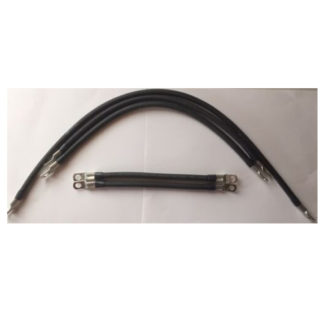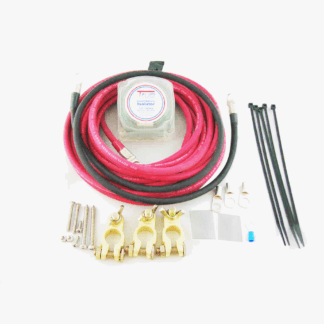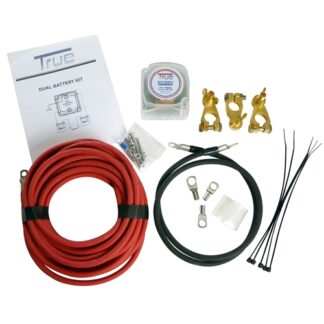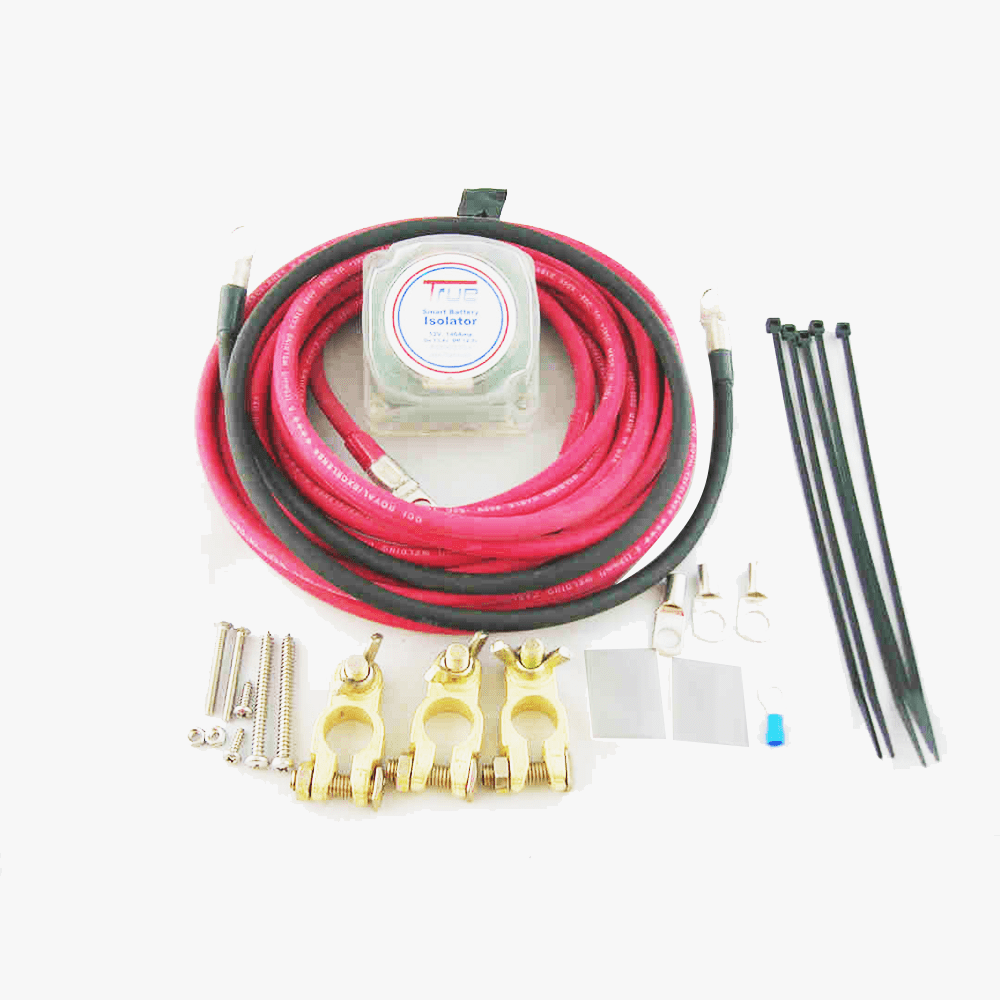

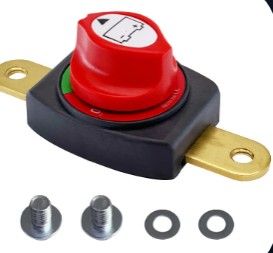
You don’t need a separate battery isolator switch if you already have a true smart automotive battery isolator because the smart isolator automatically performs the same function—and does it better.
Here’s Why:
1. Automatic Operation
Depending on the voltage levels, a smart battery isolator (such as a solid-state isolator or voltage-sensitive relay) will automatically connect and disconnect your batteries. It understands when to:
- When the voltage increases, connect the batteries to be charged.
- When the voltage drops, isolate the batteries to safeguard the starter battery.
By doing this, a manual battery isolator switch to turn the charging on or off is no longer necessary.
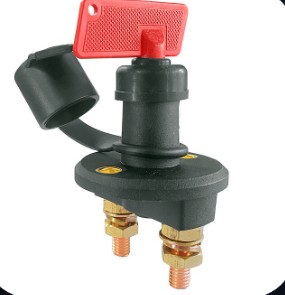 2. Built-in Protection Logic
Protective logic is incorporated into smart battery isolators to guarantee that your starter battery never runs out. They eliminate the need for a manual override or battery isolator switch by monitoring system voltage in real time and making intelligent decisions without human input.
3. Fail-safe and Maintenance-free
Smart battery isolators operate automatically and reliably, in contrast to manual battery isolator switches that depend on you remembering to turn them on or off. Human error, like failing to isolate the batteries before running your refrigerator overnight, is less likely as a result.
4. No Need for Manual Control
Usually, a battery isolator switch is used to manually control whether the batteries are isolated or connected. However, that function is already automatically handled by a smart isolator. It would be redundant to add a switch, and it might even make the wiring more difficult or create extra failure points.