

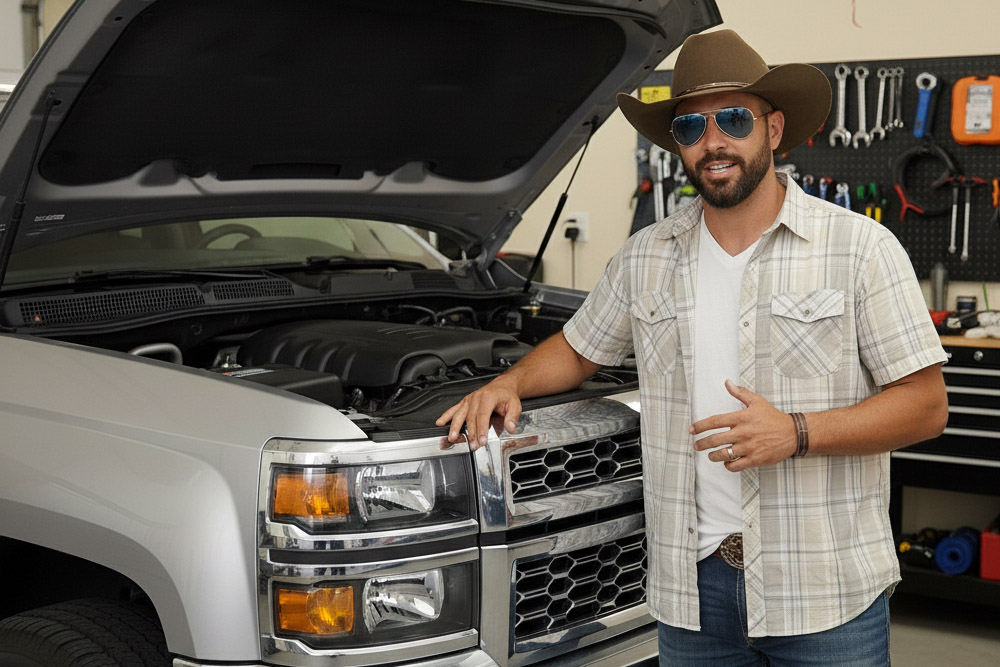
Maintenance Tips for Your Dual Battery Setup for Truck
A dual battery setup for truck is one of the most practical upgrades for drivers who rely on consistent power—whether for off-road adventures, work equipment, or camping essentials. By separating your starter battery from your auxiliary battery, you ensure that critical engine functions are never compromised. However, like any electrical system, proper maintenance is essential to keep everything running efficiently and safely over time.
Understanding how to care for your dual battery system not only extends its lifespan but also prevents costly breakdowns. Below is a comprehensive, SEO-optimized guide to help you maintain your setup and get the most out of your investment.
Why Maintenance Matters for a Dual Battery Setup
A well-maintained dual battery setup for truck ensures reliable performance, improved battery life, and consistent power delivery. Without regular upkeep, issues such as voltage drops, battery failure, or faulty connections can arise. These problems can leave you stranded or damage expensive accessories connected to your system.
Routine maintenance helps detect early signs of wear and keeps both batteries operating at optimal levels. It also ensures your isolator or DC-DC charger functions correctly, which is critical for proper charging and battery separation.
Regular Inspection of Battery Terminals and Connections
One of the most important maintenance steps is checking all electrical connections. Over time, vibrations from driving—especially off-road—can loosen terminals or cause corrosion. This can lead to poor conductivity and reduced charging efficiency.
Inspect both the main and auxiliary battery terminals regularly. Clean any corrosion using a battery cleaning solution or a mix of baking soda and water. Tighten all connections securely, but avoid over-tightening, which can damage terminals. Ensuring solid connections is a simple yet effective way to maintain a healthy dual battery setup for truck.
Monitor Battery Voltage and Health
Keeping track of your battery voltage is essential for identifying potential issues early. A healthy battery should maintain a stable voltage range when fully charged and under load. If you notice frequent drops or inconsistent readings, it could indicate a failing battery or charging issue.
Using a voltmeter or a battery monitoring system allows you to check the condition of both batteries. Many modern setups include digital monitors that provide real-time data, helping you stay informed about your system’s performance without guesswork.
Maintain Proper Charging System Performance
Your charging system plays a vital role in the efficiency of your dual battery setup for truck. Whether you’re using a battery isolator or a DC-DC charger, it must function correctly to distribute power between the batteries.
Make sure your alternator is delivering adequate output and that your isolator engages and disengages properly. If your auxiliary battery is not charging fully, it may be due to a faulty isolator, incorrect wiring, or insufficient alternator capacity. Addressing these issues early prevents long-term damage to your batteries.
Keep Batteries Clean and Secure
Dirt, moisture, and heat can all negatively impact battery performance. Keeping your batteries clean and dry helps prevent corrosion and ensures efficient operation. Regularly wipe down the battery casing and check for any signs of leaks or swelling.
Equally important is ensuring that both batteries are securely mounted. Loose batteries can shift while driving, causing damage to terminals or internal components. A stable mounting system is crucial for maintaining a reliable dual battery setup for truck, especially in rugged conditions.
Avoid Deep Discharges and Overloading
Deep discharging your auxiliary battery too frequently can significantly reduce its lifespan. While deep-cycle batteries are designed to handle more discharge than standard batteries, they still have limits. Try to recharge your battery before it drops too low.
Be mindful of the total power load connected to your system. Overloading your auxiliary battery with too many devices can strain the system and lead to premature failure. Proper load management ensures your dual battery setup for truck remains efficient and dependable.
Periodic Testing and Replacement
Even with proper maintenance, batteries do not last forever. Regular testing helps determine when it’s time for a replacement. Load testing your batteries can reveal their true condition and capacity.
If one battery begins to fail, it’s often recommended to evaluate both, especially if they are of similar age. Replacing batteries at the right time ensures your system continues to operate smoothly without unexpected interruptions.
Maintaining your dual battery setup for truck is not complicated, but it does require consistency and attention to detail. By regularly inspecting connections, monitoring voltage, ensuring proper charging, and managing power usage, you can significantly extend the life of your system.
A well-maintained setup provides peace of mind, whether you’re heading off-road, powering job site equipment, or enjoying a weekend camping trip. Investing a little time in maintenance today can save you from major issues down the road and keep your truck powered for any adventure.
Related Post
- Top 10 Side-by-Side UTV for Family
- How Do You Prevent Battery Cable Corrosion?
- Why Dodge RAM® Needs Dual Battery Kit 1500 2500 and a Wiring Diagram, 12V 140A Isolator System
- Why Toyota Tundra need Dual Battery Kit?
- Why the Lexus GX 470 Needs a Dual Battery Isolator
- Why the Jeep CJ7 Needs a True Dual Battery Kit for Reliable Power – Fit for CJ5 CJ6 CJ7 CJ8
- Why the Jeep TJ Needs a Dual Battery Kit
- Key Advantages of a Dual Battery Isolator in a Chevy Suburban
- Top 5 LiFePO4 Batteries to Power Your UTV Accessories Without Failing
- How to Prevent Car Battery Failure and Save on Costly Repairs?