

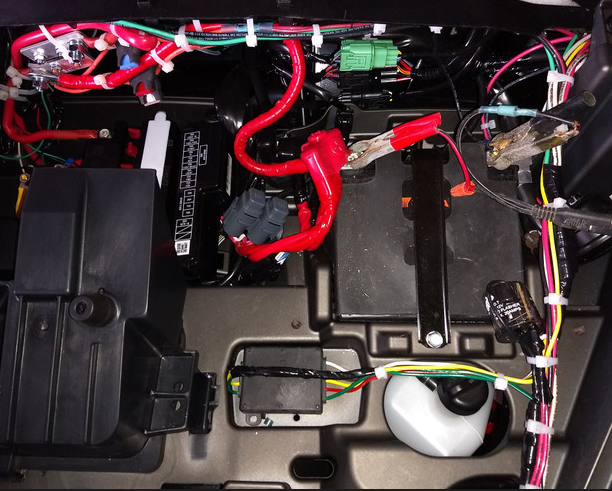
Why Dead Batteries Are Common in Accessory-Loaded UTVs
UTVs have evolved far beyond their original purpose as simple utility vehicles. Today, many owners use them for hunting, farming, trail riding, overlanding, recovery work, and outdoor recreation. To support these activities, UTVs are often equipped with a wide range of accessories, including LED light bars, winches, radios, GPS units, air compressors, sound systems, heated gear, refrigerators, and auxiliary charging ports.
While these upgrades improve convenience and capability, they also place significant demands on the vehicle’s electrical system. One of the most common consequences of an accessory-heavy setup is an unexpected dead battery. For many UTV owners, battery failure occurs at the worst possible time—often when they are far from home, deep on a trail, or in a remote work location.
Factory Electrical Systems Have Limited Capacity
The primary reason dead batteries are so common in accessory-loaded UTVs is that most factory electrical systems were not designed to support large aftermarket power demands. Manufacturers typically size batteries and charging systems to handle standard vehicle functions, not multiple high-draw accessories operating simultaneously. As more equipment is added, the electrical load can quickly exceed what the original system was intended to support.
Accessories Can Drain Power Even When the Engine Is Off
Many accessories continue drawing power even when the engine is turned off. GPS units, communication devices, sound systems, lighting, and charging ports can slowly drain the battery over time. What may seem like a minor power draw can become significant after several hours of use. UTV owners often discover the problem only when they attempt to restart the vehicle and find there is not enough power remaining to crank the engine.
Winches are another major contributor to battery drain. Recovery situations often require significant electrical power, especially when pulling heavy loads or operating repeatedly over an extended period. A single recovery operation can place a substantial demand on the battery, particularly if other accessories are running at the same time. Without proper power management, the battery may struggle to recover from the heavy discharge.
Lighting systems also contribute to electrical stress. Modern LED light bars consume less power than older lighting technologies, but many UTV owners install multiple lights for improved visibility during nighttime riding. Combined with other electrical accessories, these systems can create a continuous load that gradually depletes battery reserves.
Repeated Deep Discharging Shortens Battery Life
Another common issue is repeated deep discharging. Starting batteries are designed to provide short bursts of high current for engine starting rather than prolonged power delivery. When accessories frequently draw the battery down to low charge levels, battery life can be significantly reduced. Over time, the battery loses its ability to hold a full charge, increasing the likelihood of unexpected failures.
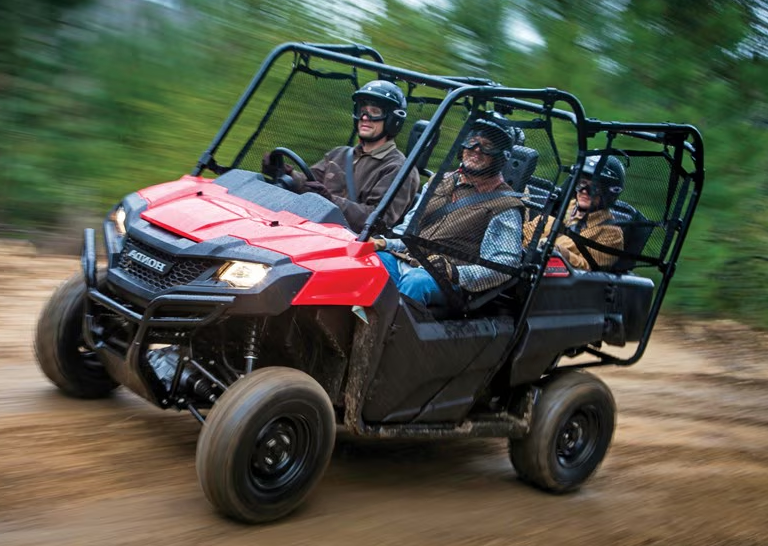
Environmental conditions can make the situation even worse. Cold temperatures reduce battery performance and available starting power. At the same time, many riders use additional electrical equipment during colder months, increasing overall demand on the system. Heat, vibration, and rough terrain can also accelerate battery wear and shorten service life.
Many UTV owners mistakenly assume that simply installing a larger battery will solve the problem. While increased battery capacity may provide temporary relief, it does not address the underlying issue of electrical load management. As accessory usage grows, proper power distribution becomes increasingly important.
This is why many experienced UTV owners invest in dual battery systems and battery isolators. These systems separate accessory power from the vehicle’s starting battery, helping ensure that essential starting power remains available when needed. Instead of relying on a single battery to handle every electrical demand, power is distributed more efficiently across the system.
As UTVs become more capable and accessory-rich, electrical demands will continue to increase. Understanding why dead batteries occur is the first step toward improving reliability and preventing costly interruptions. A properly managed electrical system helps protect both the battery and the vehicle while providing greater confidence during work, recreation, and off-road adventures.