

What to Know Before Buying a Dual Battery Kit for Silverado
A dual battery kit for Silverado adds a second battery to your truck so you can power accessories without draining the one that starts the engine. It’s popular with overlanders, campers, contractors, and anyone running a winch, fridge, or light bar. Here’s what to check before you buy.
However, choosing the right system involves more than simply adding another battery. You need to consider battery compatibility, charging requirements, electrical accessories, available installation space, and the type of battery isolator used. Understanding these factors before purchasing can help you select a reliable Silverado dual battery system that suits your truck and its intended use.
1. Know Why You Need It
Start with your use case, since it determines the right setup:
- Camping and overlanding: Running a 12V fridge, camp lights, or a rooftop tent compressor overnight.
- Utility trucks: Powering tools, inverters, and strobe lighting while parked.
- Off-roading: Supporting a navigation sytem, auxiliary lights, and a CB radio.
- Plowing: Meeting the added electrical demand of a snow plow.
If you only run a few small accessories, a quality jump starter or a single upgraded battery may be enough.
2. Check Your Silverado’s Model Year and Trim
Fitment varies a lot between generations (1500, 2500HD, 3500HD) and between engines (5.3L V8, 6.2L V8, 6.6L gas, Duramax diesel). Many 2019 and newer Silverados have a smart charging system managed by the body control module, which affects how a second battery should be wired. Confirm that any dual battery kit for Silverado you consider is made for your exact year and engine, and check whether it needs a bracket, tray, or relocation of existing components.

3. Understand the Isolator Options
The isolator is the heart of any dual battery system. It lets the alternator charge both batteries while keeping them separate when the engine is off.
- Battery isolator (solenoid-based): Simple and affordable, but offers basic charging only.
- Smart isolator / voltage-sensitive relay (VSR): Connects the batteries only when charging voltage is detected, which suits most users.
- DC-DC charger: Best for modern trucks with smart alternators and for lithium or AGM auxiliary batteries, since it regulates charging properly.
- Manual switch: A budget option that requires you to connect and disconnect by hand.
If your truck has a variable-voltage smart alternator, a DC-DC charger is usually the safest choice.
4. Pick the Right Auxiliary Battery
Battery type matters as much as the kit itself:
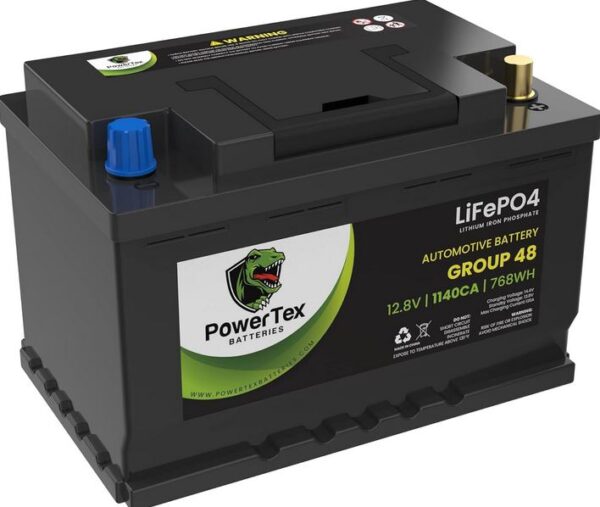
- AGM: Sealed, vibration-resistant, and a solid all-around choice.
- Lithium (LiFePO4):Lighter and longer-lasting with deeper usable capacity, but more expensive and requires compatible charging.
- Deep-cycle flooded lead-acid: Cheapest, but needs maintenance and venting.
Make sure your dual battery system for Silverado includes a battery that is rated for deep cycling, not just starting.

5. Look at Wire Gauge, Fusing, and Safety
Quality Truck dual battery kits include properly sized cables, fuses or circuit breakers, and protective loom. Undersized wiring can overheat and create a fire risk. Look for:
- Heavy-gauge copper cable (not copper-clad aluminum)
- Fuses or breakers close to each battery
- Weatherproof, automotive-grade connectors
- Clear instructions and a wiring diagram
6. Plan Where Everything Will Go
Space under the hood is tight on newer Silverados. Some owners mount the second battery in the engine bay, while others place it in the bed, behind the seat, or in a toolbox. Consider heat, ventilation, vibration, and ease of access. An aftermarket Silverado dual battery tray or bracket can make installation cleaner and more secure.
7. Consider Warranty and Electrical Impact
Adding an electrical system can raise questions about your factory warranty, so check with your dealer or read your warranty terms before modifying. Also, make sure the alternator can handle the extra load, particularly if you’re running a winch or a large inverter.
8. Budget Realistically
A complete True® dual battery kit for Silverado typically ranges from a few hundred dollars for a basic isolator setup to well over a thousand with a lithium battery and DC-DC charger. Professional installation adds to the cost, so factor in labor if you’re not comfortable with automotive wiring.
9. DIY or Professional Installation?
Many kits are designed for bolt-on installation, but a clean, safe result depends on careful routing, solid grounding, and correct fusing. If you’re unsure, a professional installer can save headaches, especially on trucks with complex electronics.
Final Checklist
- Does the kit match your Silverado’s year, trim, and engine?
- Is the isolator or DC-DC charger compatible with your charging system?
- Is the auxiliary battery deep-cycle rated?
- Are the cables, fuses, and connectors high quality?
- Do you have a safe, practical mounting location?
- Does the price include everything you need?
Conclusion
The best dual battery kit for Silverado is the one matched to your truck’s electrical system and how you actually use it. Take time to compare isolators, battery types, and installation requirements, and you’ll end up with reliable auxiliary power for work, camping, or adventure.
How to Choose the Best GM Dual Battery Kit for Your Truck or SUV
How a Fuse Helps Ensure Safety in a Secondary Battery Kit Installation