

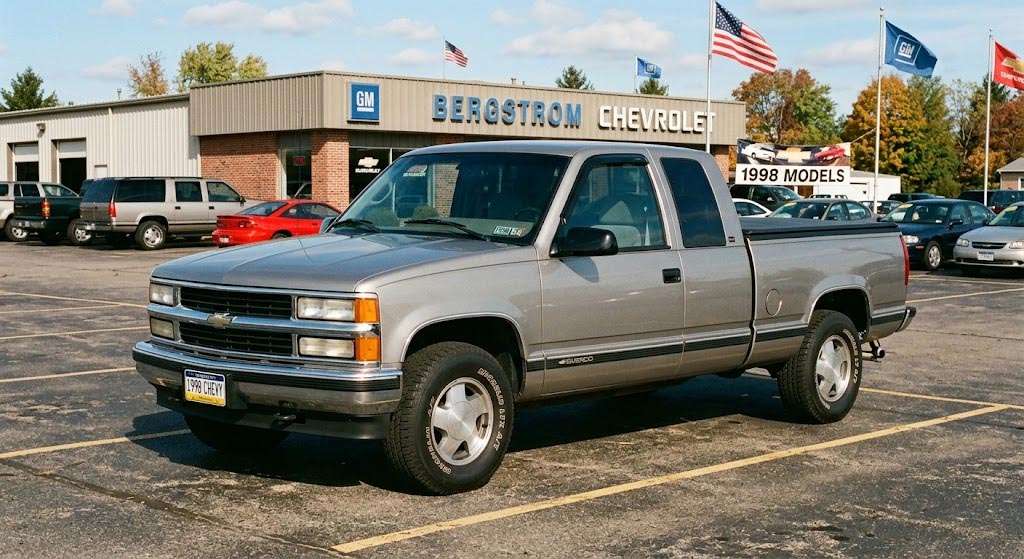
Why a Modified GMT400 May Need a GMT400 Dual Battery Kit
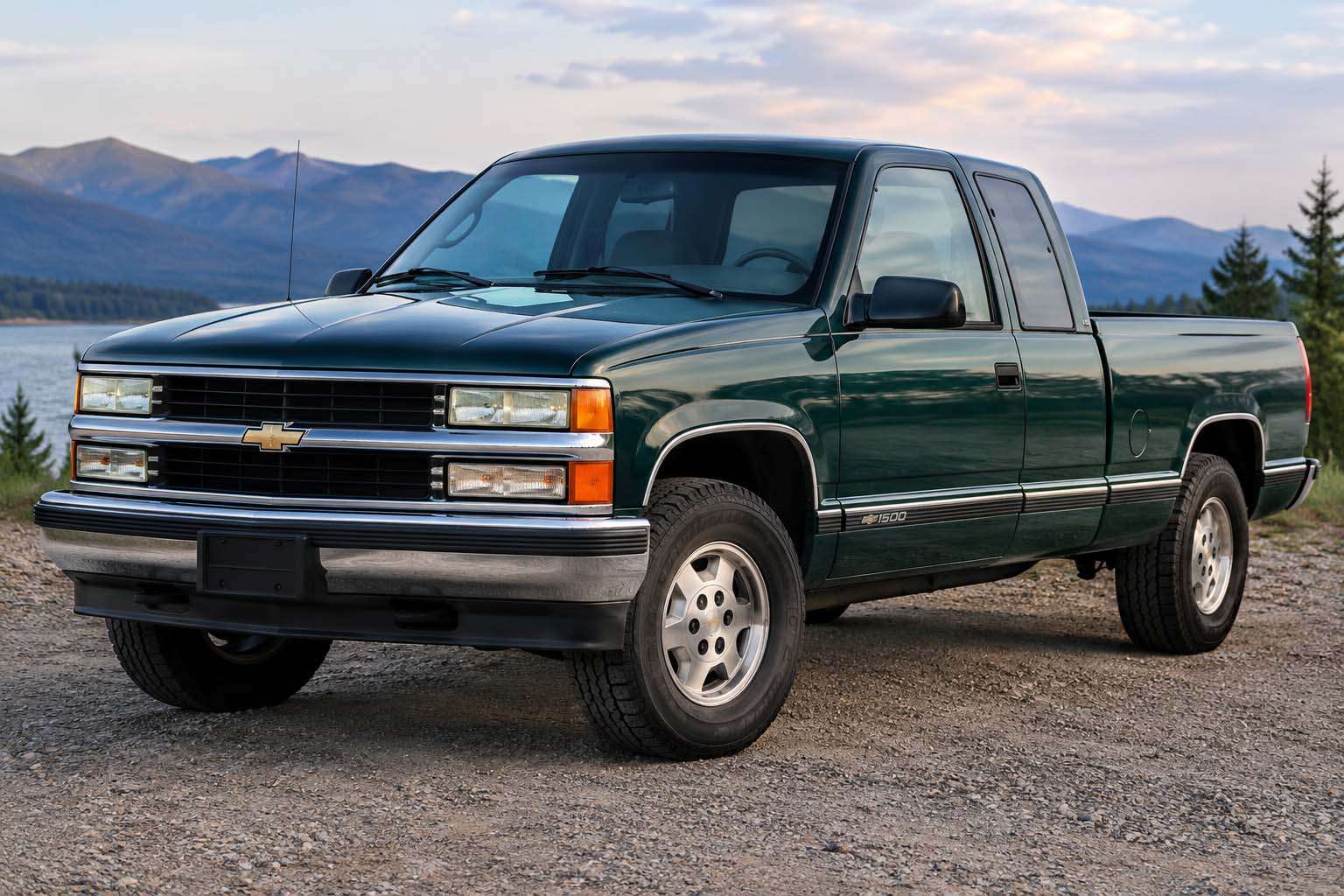
A modified GMT400 (the 1988-1998 Chevy/GMC C/K trucks and the 1992-1999 Tahoe/Suburban/Yukon variants) often needs a dual battery setup because the factory electrical system was designed around a stock truck, and modifications change the load, the usage pattern, or both.
The Chevrolet C/K GMT400 platform has earned a reputation for durability, simplicity, and versatility. Many GMT400 trucks are still being used today, but modern modifications can place electrical demands far beyond what the original truck was designed to handle. Auxiliary lighting, winches, upgraded audio systems, refrigeration, communication equipment, and other accessories can all increase the demand placed on the vehicle’s electrical system.
For a heavily modified truck, a GMT400 dual battery kit can provide a practical way to separate starting power from accessory power while maintaining controlled charging between the batteries.
Modifications Can Change the Truck’s Power Requirements
GMT400 trucks are often modified for applications far beyond their original configuration. A work truck may acquire additional lighting and communication equipment, while an off-road build may add a winch, light bars, refrigeration, navigation equipment, and an upgraded sound system.
These additions don’t necessarily mean that the original electrical system is inadequate. Instead, they change the way electrical power is used.
A GMT400 dual battery kit addresses the power-management side of the modification by giving the truck another energy-storage source rather than relying entirely on the starting battery.
1. Added electrical load
Stock charging systems (typically a 94-105 amp alternator on the later trucks, less on the earlier ones) have limited headroom. Common mods that eat into it:
- LED light bars, pod lights, and rock lights
- High-output audio (amps and subs can pull well over 100 amps at peak)
- Winches (a loaded winch can draw 300-400+ amps briefly)
- Onboard air compressors
- Auxiliary fuse panels, CB or ham radios, inverters
A single battery can sag under these loads, especially with the engine off or at idle.
2. Engine-off use
Running lights, a fridge, a sound system, or camp gear off one battery risks leaving you unable to start the truck. A dual setup with an True isolator lets you drain the auxiliary battery while the starting battery stays protected.
3. Higher starting demands
Engine swaps, big-cam builds, higher compression, or diesel conversions (like a 6.5L Turbo Diesel, which already used dual batteries from the factory) can need more cranking amps than a lone group 78 battery delivers, particularly in cold weather.
4. Winching and recovery
Winches draw heavily from the battery, and a dying battery under load can stall a recovery. A second battery gives you more reserve while the engine runs to support the alternator.
5. Cranking-and-charging voltage stability
Modern aftermarket electronics, EFI conversions, and standalone ECUs are sensitive to voltage drops. Dual batteries help keep voltage steady during high-draw events.
6. Space and wiring constraints in a GMT400 Dual Battery Kit
GMT400 engine bays are tight, especially with swaps or a relocated radiator or intake. A purpose-built dual battery kit typically includes the tray or bracket, cables sized correctly (usually 1/0 or 2 gauge), fusing, and the isolator or relay, so you don’t have to fabricate everything or guess at cable sizing. Kits are often designed around the stock battery location and fender or core support mounting points.
When a GMT400 Dual Battery Kit Makes Sense
 Not every GMT400 requires a second battery. A relatively stock truck with limited electrical accessories may have little reason to add one.
The case becomes stronger when the truck has multiple high-demand accessories, regularly operates away from reliable charging sources, or needs extended accessory operation with the engine off.
For these applications, a GMT400 dual battery kit can become part of a broader power-management strategy rather than simply another modification under the hood.
What a good kit usually includes
- A second battery tray or mounting bracket
- Heavy-gauge positive and negative cables with proper terminals
- A smart battery isolator, solenoid, or voltage-sensitive relay (VSR) so the batteries charge together but discharge separately
- An inline fuse or breaker near the battery
- Hardware and routing guidance
Things to watch
- Alternator upgrade: Two batteries need more charging capacity. Many people pair the GMT400 Dual Battery Kit with a 140-200 amp alternator.
- Battery matching: Keep the batteries similar in age and chemistry, or use an isolator that handles mixed types.
- Grounding: Upgrade the engine-to-chassis and battery-to-body grounds. GMT400s are known for weak factory grounds that cause dimming lights and odd electrical behavior.
- Fusing: Always fuse close to the battery to prevent fire in a short.
If you tell me what mods you have (engine, winch, audio, lighting), I can help you figure out whether you need a dual setup or whether a stronger alternator and better grounds would be enough.
Recent Posts
- From Battery Isolators to Intelligent Power Management: Where Automotive Technology Is Heading
- When Should You Upgrade to a GMT800 Dual Battery Kit vs. Running a High-Output Alternator Alone?
- Electric Cars Still Have 12V Batteries—So Where Does a Battery Isolator Fit?
- The Architecture and Function of Smart Battery Isolators
- From Workhorse to Adventure Rig: The Honda Pioneer Transformation
- Tools and Supplies Needed Before Starting UTV Dual Battery Kit Installation
- How to Calculate Your UTV’s Power Draw for Accessories
- Solar Charging Addons to Complement a Dual Battery Setup
- What are the best spots for off-roading in Alabama
- Upgrading Your Auxiliary Car Battery Installation Kit from AGM to Lithium (LiFePO4)