

How to Calculate Your UTV’s Power Draw for Accessories
Modern UTVs can run far more electrical accessories than their factory electrical systems were originally designed to handle. LED light bars, winches, radios, GPS units, sound systems, heated equipment, and other accessories can quickly increase electrical demand. Understanding your UTV power draw is an important step when deciding whether you need a larger battery, auxiliary battery, or UTV dual battery kit.
Start by Listing Your UTV Accessories
The first step in calculating UTV accessory power draw is to make a complete list of the electrical equipment installed on your vehicle. Include everything that consumes electricity, even accessories that are only used occasionally.
Common UTV Accessories and Their Roles
LED Light Bars and Pods
LED light bars and pods provide additional illumination for nighttime trail riding, hunting, work, and low-visibility conditions. They are generally more efficient than older halogen lighting, but multiple high-output lights can still create a significant electrical load. A dual battery system can provide additional power capacity for extended nighttime use.
Winches
A winch is one of the most demanding electrical accessories on a UTV. It uses a high-current electric motor to pull, recover, or reposition the vehicle when it becomes stuck. Although a winch may only operate for a short period, its high current demand can place considerable stress on the UTV battery. An auxiliary battery can provide additional reserve capacity for repeated recovery operations.
Radios and Communication Equipment
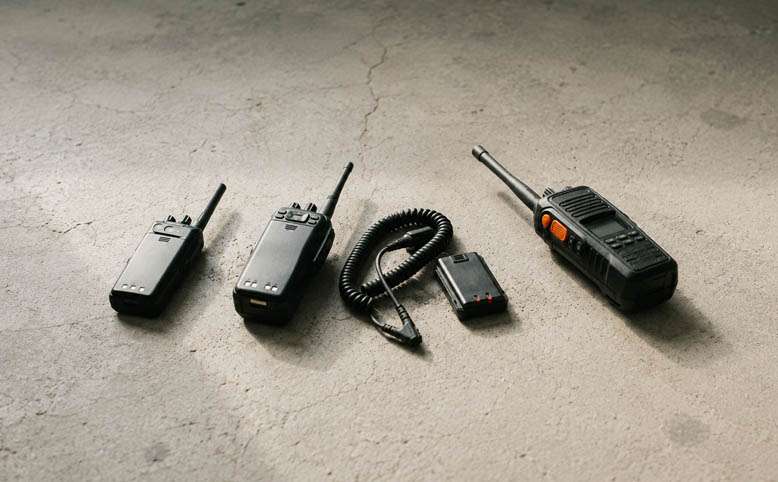
Two-way radios, CB radios, satellite communication devices, and other communication equipment help riders stay connected during group rides, hunting trips, and remote adventures. These devices typically consume less power than a winch or large lighting system, but they may remain powered for many hours. An auxiliary battery helps support long-duration communication equipment without relying entirely on the starting battery.
GPS and Navigation Systems
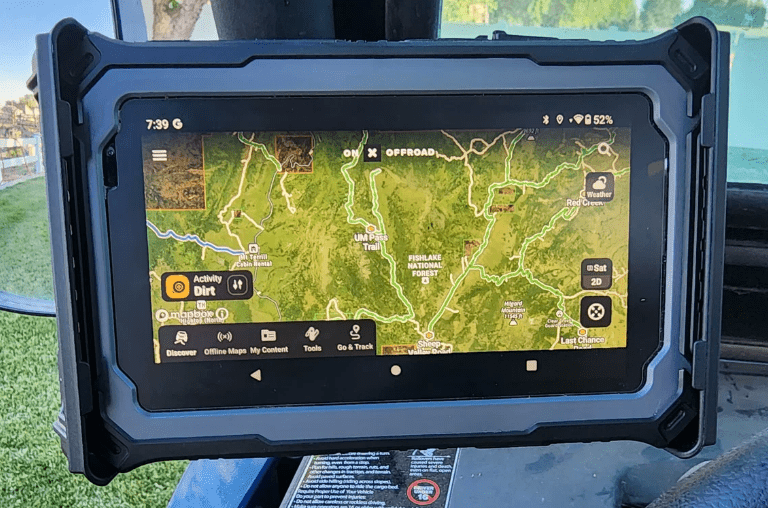
GPS units and navigation devices help riders track trails, identify routes, record locations, and navigate unfamiliar terrain. Their power consumption is generally modest, but they may operate continuously throughout a long ride. Keeping navigation equipment powered is particularly important when traveling in remote areas.
Stereo Systems and Speakers
UTV audio systems can include amplifiers, subwoofers, speakers, Bluetooth receivers, and other components. High-powered amplifiers can significantly increase electrical demand, particularly when the stereo is used for extended periods while the engine is off. A dedicated auxiliary battery can provide additional energy for these entertainment systems.
Heated Grips and Seats
Heated grips and seats improve comfort during cold-weather riding. Unlike some accessories that are used only occasionally, heating elements can draw power continuously while activated. Using several heated accessories simultaneously can increase the overall electrical load, making proper battery capacity important.
Refrigerators or Coolers
12-volt refrigerators and powered coolers allow riders to keep food, drinks, and other temperature-sensitive items cold during extended trips. Because they may cycle on and off for hours or even days, they can create a continuous background electrical demand. This makes them particularly relevant when designing an auxiliary battery system for camping or overlanding.
USB Charging Ports
USB charging ports provide convenient power for smartphones, tablets, GPS units, cameras, and other portable electronics. Individually, they normally have a relatively small power requirement. However, several devices charging simultaneously can add to the total UTV accessory load.
Cameras and Other Electronic Devices
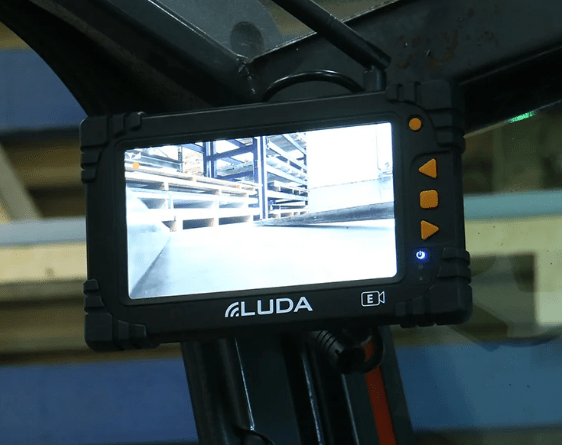
Action cameras, trail cameras, dash cameras, monitors, tire-pressure monitoring systems, and other electronics can improve navigation, safety, documentation, and situational awareness. While many of these devices have relatively low power requirements, continuous operation can gradually consume auxiliary battery capacity.
Check the manufacturer’s specifications for each accessory. Look for its amperage rating or wattage.
Calculate Current Draw
1. Understand the Basic Formula
For most 12V UTV accessories, you can calculate current draw using:
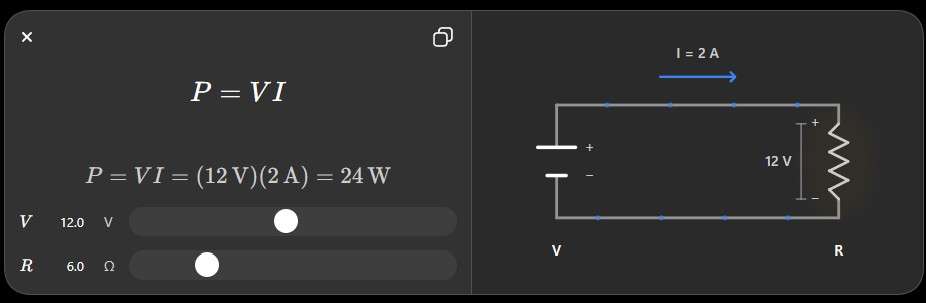
Current (A) = Power (W) ÷ Voltage (V)
For example, if an LED light bar is rated at 120 watts and your UTV electrical system operates at approximately 12 volts:
120W ÷ 12V = 10A
So, the light bar can draw approximately 10 amps.
2. Calculate Each Accessory
Make a list of all electrical accessories installed on your UTV and find their wattage or amperage ratings.
| UTV Accessory | Typical Power | Approx. Current at 12V |
|---|---|---|
| LED light bar | 120W | 10A |
| LED pods | 40W | 3.3A |
| GPS/navigation | 10W | 0.8A |
| Radio/communication system | 25W | 2.1A |
| Stereo system | 100W | 8.3A |
| USB charging ports | 24W | 2A |
| Refrigerator/cooler | 60W | 5A |
| Heated grips | 40W | 3.3A |
3. Add the Current Draw Together
Suppose your UTV has:
- LED light bar: 10A
- GPS: 0.8A
- Radio: 2.1A
- Stereo: 8.3A
- Refrigerator: 5A
Your estimated accessory load would be:
10 + 0.8 + 2.1 + 8.3 + 5 = 26.2 amps
That means your accessories could require roughly 26 amps when operating simultaneously.
If an accessory provides its power rating in watts, you can estimate its current draw by dividing watts by system voltage.
For example, a 120-watt accessory on a 12-volt system would draw approximately 10 amps.
For accessories that already provide an amp rating, you can use that number directly. Add the current draw of all accessories that may operate at the same time to estimate your potential total UTV electrical load.
For example, if your UTV has lighting drawing 15 amps, a winch drawing 20 amps under a particular operating condition, and other accessories drawing 10 amps, the combined accessory demand could reach approximately 45 amps during simultaneous use.
4. Don’t Forget the UTV’s Factory Electrical Load
Your accessories aren’t the only electrical loads. The engine management system, fuel pump, ignition system, instrument cluster, cooling fan, factory lights, and other components also consume electricity.
Therefore, you shouldn’t compare your accessory load directly against the alternator or stator’s maximum output.
Instead, consider:
Available charging capacity − factory electrical consumption = capacity available for accessories
For example, if the charging system can provide 40A under a particular operating condition and the UTV’s existing electrical loads consume 20A, you may have approximately 20A available for additional accessories.
Actual available capacity can vary significantly with engine speed and operating conditions.
5. Consider Accessories That Cycle On and Off
Some devices don’t continuously consume their maximum rated power.
A refrigerator, cooling fan, compressor, or heated accessory may cycle between on and off. Conversely, a winch can create a very high temporary electrical load, especially under heavy pulling conditions.
This is why you should consider both:
- Continuous current draw
- Peak current draw
The peak load is particularly important when selecting wiring, fuses, switches, relays, and battery capacity.
6. Account for Voltage Differences
A UTV charging system may operate above the nominal 12V battery voltage while the engine is running. For example, a 12V system may operate around 13–14+ volts depending on the vehicle and charging system.
If an accessory specifies its current draw at a particular voltage, use the manufacturer’s rating rather than assuming the current from a simple 12V calculation.
7. Determine Whether You Need a Dual Battery System
If your UTV has numerous accessories, the issue isn’t simply having a larger battery. You also need to consider whether the charging system can replenish the energy being consumed.
A dual battery system can provide a dedicated auxiliary battery for accessories while helping preserve the starting battery for engine starting.
This can be especially useful for UTVs equipped with combinations of:
- High-powered LED lighting
- Radios
- GPS/navigation equipment
- Stereo systems
- Refrigerators or coolers
- Heated grips or seats
- Cameras
- USB charging devices
- Winches
A smart battery isolator can help manage charging between the starting and auxiliary batteries while keeping accessory loads separated from the starting battery.
Quick UTV Power-Draw Calculation
Use this simple process:
1. Find each accessory’s wattage or amperage.
2. Convert watts to amps if necessary: W ÷ V = A.
3. Add the current draw of accessories that may operate simultaneously.
4. Account for the UTV’s factory electrical loads.
5. Compare the total demand with the charging system’s actual available capacity.
6. Consider peak loads from equipment such as winches and compressors.
The goal isn’t merely to determine whether your battery can power your accessories. You want to make sure the UTV’s charging system can support the combined electrical load without continually discharging the battery.
Consider How Long Accessories Run
Power draw is not only about maximum amperage. Runtime also matters.
A light bar may operate continuously for several hours, while a winch may operate for only a few minutes. High-current accessories can place significant demands on the electrical system even when they are used for relatively short periods.
This is particularly important when the UTV engine is off. Accessories can continue consuming energy from the battery without the charging system replenishing it.
Compare Accessory Demand With Charging Capacity
After estimating your accessory load, consider how much electrical power your UTV’s charging system can provide while the engine is running.
The charging system must supply the vehicle’s normal electrical requirements while also supporting additional accessories and charging the battery. If accessory demand regularly approaches or exceeds available charging capacity, the battery can gradually lose charge.
This is one reason an auxiliary battery for a UTV can be valuable for accessory-heavy builds.
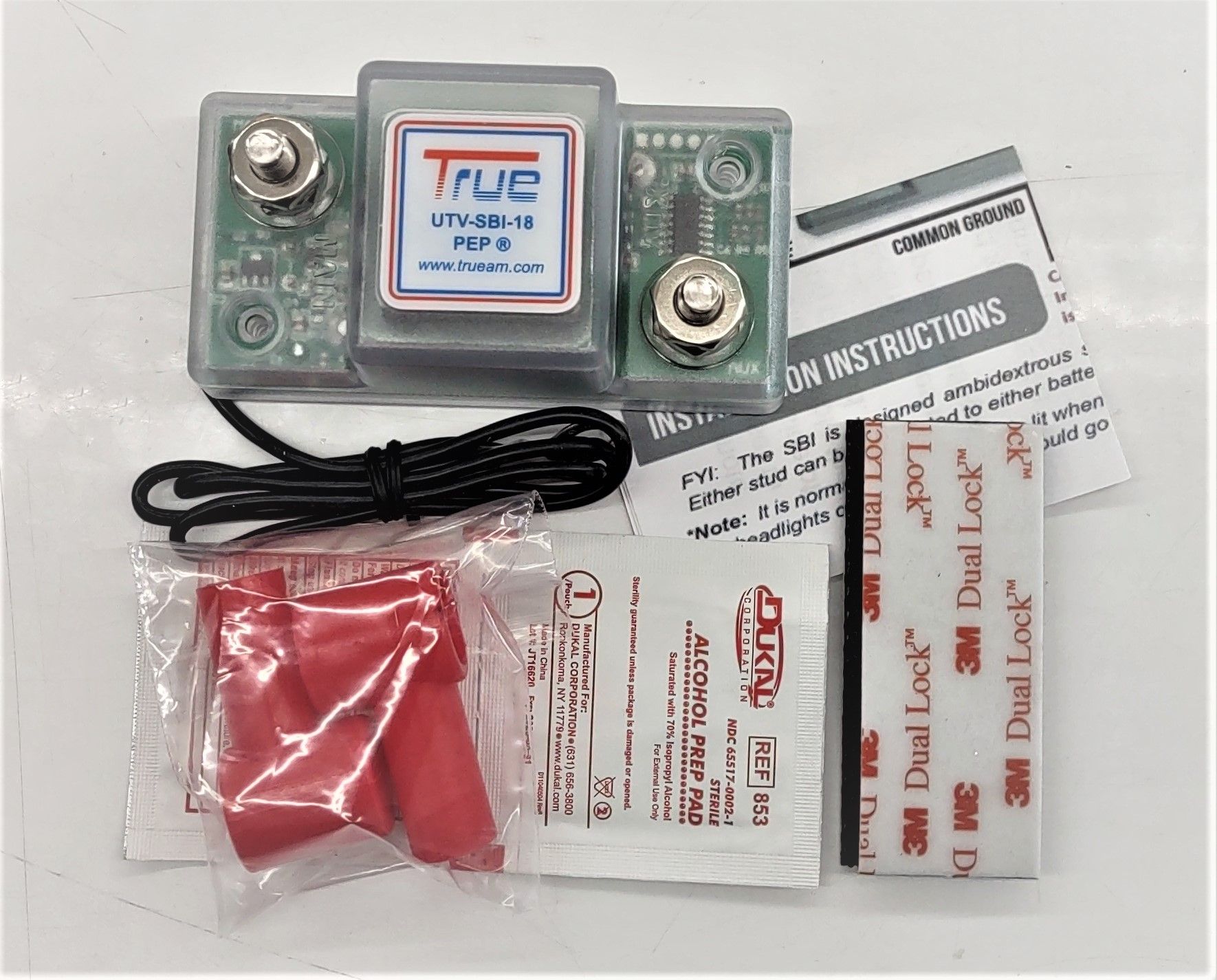
When Should You Consider a UTV Dual Battery Kit?
A UTV dual battery system can separate starting power from accessory power. A battery isolator can help manage the connection between the primary and auxiliary batteries, allowing accessory loads to be supported without unnecessarily risking the starting battery.
This can be particularly useful for UTVs equipped with powerful lighting, winches, communication equipment, audio systems, or camping accessories.
Plan Your UTV Electrical System Before Adding Accessories
Calculating your UTV power draw before installing accessories helps you understand the demands being placed on your electrical system. Add the expected current draw, consider how long each accessory operates, and compare the total demand with your UTV’s charging and battery capacity.
For heavily equipped UTVs, a properly designed UTV dual battery kit and battery isolator can provide a more reliable way to manage accessory power while keeping dependable starting power available when you need it.
Related posts:
- Tools and Supplies Needed Before Starting UTV Dual Battery Kit Installation
- How to Calculate Your UTV’s Power Draw for Accessories
- Solar Charging Addons to Complement a Dual Battery Setup
- What are the best spots for off-roading in Alabama
- Upgrading Your Auxiliary Car Battery Installation Kit from AGM to Lithium (LiFePO4)
- Top 10 Best UTV Trails in Connecticut and Nearby States for Every Off-Road Adventure
- Seasonal Riding: Best Michigan UTV Trails by Season
- Best UTV and ATV Trails in Utah State
- Dual Battery Setup with Isolator Kits vs. Portable Power Stations: Why an Integrated Kit Beats a “Solar Generator” for Trucks
- A Complete Guide in Selecting High-Quality Golf Cart Battery Cables for Maximum Performance
Other products