

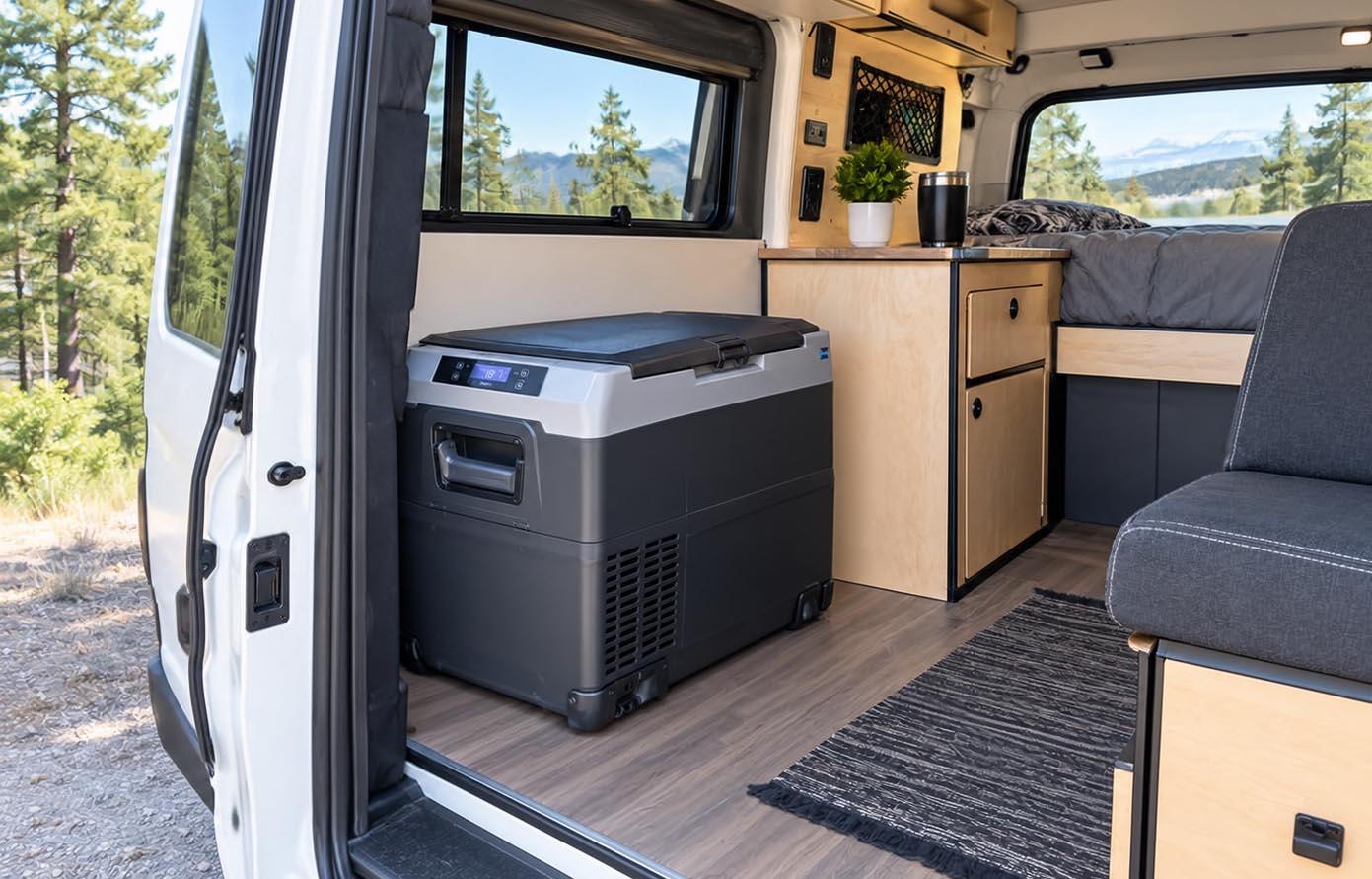
Powering a Portable Fridge: How a Smart Isolator Keeps Your Food Cold Without Killing Your Engine
A portable 12V fridge is one of the most useful accessories for off-grid camping, overlanding, tailgating, and extended road trips. It keeps food fresh and drinks cold without relying on ice. However, running a portable fridge from your vehicle’s starting battery can create a serious problem: a drained starter battery that leaves your vehicle unable to start.
The most reliable solution is to install a smart battery isolator kit with a dedicated auxiliary battery. This dual battery system automatically manages the charging connection between your vehicle’s starting battery and auxiliary battery, allowing you to power a portable fridge and other electrical accessories without unnecessarily risking your starting power.
Why Is Running a Portable 12V Fridge on a Starter Battery Risky?
A standard vehicle electrical system uses a single starting battery to supply power to essential electrical components. This includes the ignition system, headlights, radio, electronic controls, and factory accessory outlets.
A starting battery is designed to deliver a high burst of electrical current for a short period to crank the engine. It is not intended to provide continuous power over extended periods, particularly when the engine is switched off.
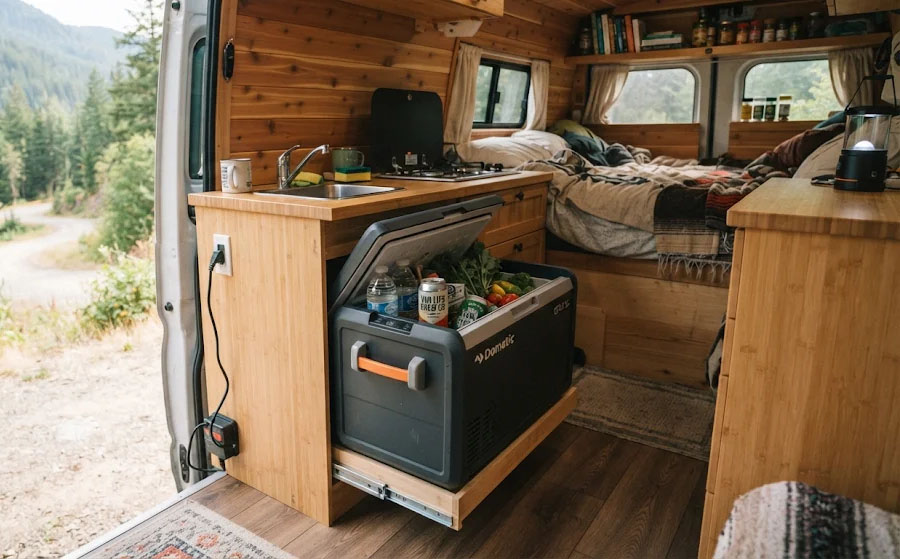
A portable 12V compressor fridge operates differently. Its compressor cycles on and off to maintain the selected temperature, consuming electrical power throughout the day and night. Depending on the fridge model, ambient temperature, ventilation, insulation, and usage, this can create a significant overnight battery load.
When a portable fridge is connected directly to the starting battery, prolonged operation can reduce battery voltage to a level where the engine may no longer crank reliably.
For campers, overlanders, and vehicle owners who frequently run electrical accessories while parked, relying on a single starting battery is an unnecessary risk.
How Does a Smart Battery Isolator Kit Work?

A smart battery isolator kit provides a practical solution by separating starting power from accessory power through a dual battery configuration.
The system uses a smart battery isolator, often incorporating a Voltage Sensitive Relay (VSR), to monitor electrical voltage and automatically control the charging connection between two batteries.
The system generally operates in two stages:
1. Engine Running: Automatic Battery Charging
When the engine starts, the alternator begins charging the starting battery. Once the voltage reaches the isolator’s engagement threshold, the smart battery isolator connects the starting battery to the auxiliary battery.
This allows the alternator to supply charging power to both batteries, helping replenish the auxiliary battery used by your portable fridge and other accessories.
2. Engine Off: Automatic Battery Separation
When the engine is switched off, alternator charging stops and battery voltage gradually decreases.
When voltage reaches the isolator’s disengagement threshold, the isolator disconnects the two batteries. This prevents accessories connected to the auxiliary battery from continuing to draw power from the starting battery. The result is an automatic battery management system that helps preserve the starting battery while allowing your camping accessories to operate independently.
Actual engagement and disengagement voltages vary depending on the isolator model and battery configuration.
Why Do You Need an Auxiliary Battery for a 12V Camping Fridge?
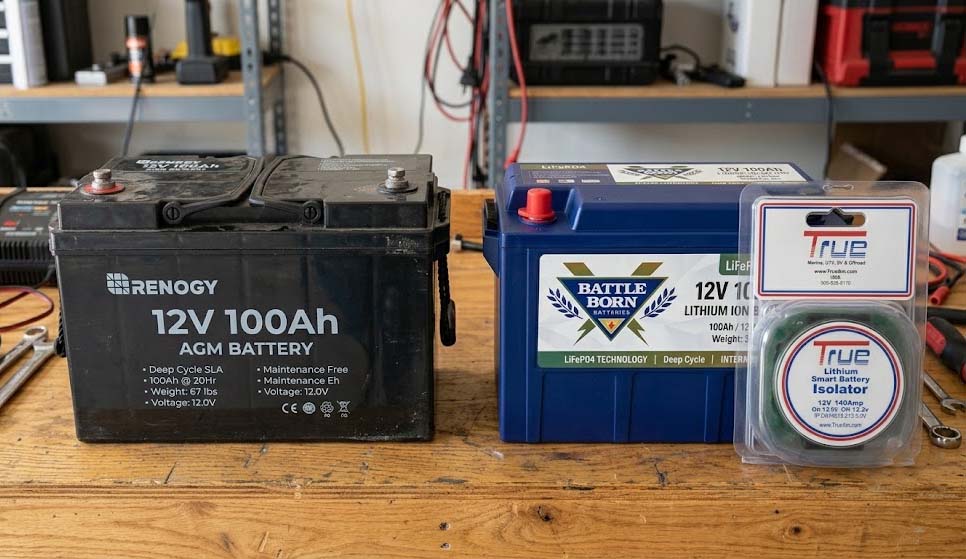
An auxiliary battery provides a dedicated power source for accessories that operate when your vehicle is parked. Instead of connecting your portable 12V fridge directly to the factory starting battery, you connect it to the auxiliary battery. This allows the fridge to continue operating while the engine is off, even after the smart battery isolator disconnects the two batteries.
For a reliable dual battery system, you can choose between different auxiliary battery technologies.
AGM Deep-Cycle Batteries
Absorbent Glass Mat (AGM) batteries are commonly used in vehicle-based camping systems. They provide a practical solution for powering portable fridges, lighting, and other 12V accessories.
Lithium LiFePO4 Batteries
Lithium iron phosphate batteries offer higher usable capacity relative to their weight, efficient energy storage, and longer cycle life under suitable operating conditions. They are increasingly popular for overlanding, recreational vehicles, and off-grid applications.
However, battery compatibility is important. A smart battery isolator must be suitable for the charging characteristics and voltage requirements of the selected battery chemistry.
What Other Accessories Can a Smart Battery Isolator Kit Power?
A portable fridge is only one example of an accessory that benefits from a dedicated auxiliary battery.
A properly configured dual battery system can also supply power to:
- LED camping and work lights
- Portable air compressors
- USB charging outlets and electronic devices
- Camping fans and ventilation equipment
- UHF radios and communication equipment
- Auxiliary lighting and off-road accessories
- Other compatible 12V electrical equipment
For overlanding vehicles, trucks, SUVs, and recreational vehicles, separating starting power from accessory power makes the electrical system more practical for extended trips. The actual operating time depends on auxiliary battery capacity, accessory consumption, charging availability, and environmental conditions.
Choosing the Right Smart Battery Isolator Kit for Your Vehicle
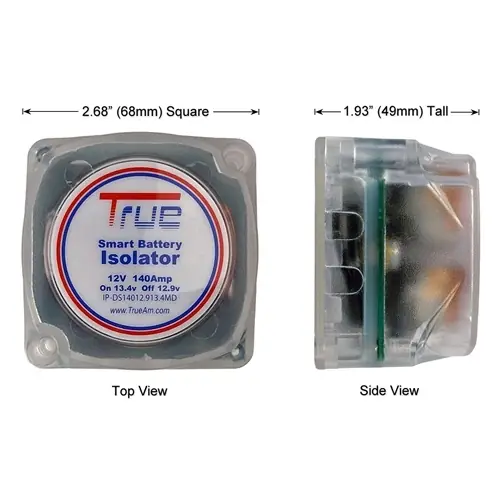
Choosing a smart battery isolator kit involves more than simply connecting two batteries together. The isolator must be compatible with your alternator, battery chemistry, charging voltage, and expected electrical loads.
Consider the following factors when selecting a system:
- Battery Compatibility: Make sure the isolator supports your intended auxiliary battery type, whether AGM or lithium LiFePO4.
- Charging Capacity: Select an isolator with an appropriate current rating for your vehicle’s charging system and electrical configuration.
- Vehicle Compatibility: Consider available mounting space, battery locations, cable routing, and the vehicle’s alternator characteristics.
- Accessory Requirements: Estimate the total power consumption of your portable fridge and other accessories to determine the appropriate auxiliary battery capacity.
Modern vehicles with variable-voltage or smart alternators may require a DC-to-DC charging solution rather than a conventional voltage-sensitive relay. Similarly, some lithium battery configurations require dedicated charging management.
Selecting the correct system helps ensure dependable operation and protects the vehicle’s starting power.
Enjoy Off-Grid Camping Without Worrying About a Dead Starter Battery
A portable 12V fridge makes camping and overlanding more convenient, but it also increases the demand on your vehicle’s electrical system.
A smart battery isolator kit with an appropriately sized auxiliary battery provides a practical way to manage this additional power requirement. It automatically connects the batteries when charging is available and separates them when the engine is off, helping prevent accessory loads from unnecessarily draining your starting battery.
Whether you drive a truck, SUV, UTV, or recreational vehicle, a properly designed dual battery system gives you greater flexibility to operate your camping equipment and other 12V accessories.
The goal is simple: keep your food cold, your accessories powered, and your starting battery ready for the next adventure.
Frequently Asked Questions About Smart Battery Isolator Kits
1. What is a smart battery isolator kit?
A smart battery isolator kit is an electrical system that manages the charging connection between a vehicle’s starting battery and an auxiliary battery. It automatically connects the batteries when charging voltage is detected and separates them when the engine is off, helping protect the starting battery from accessory power consumption.
2. Can I run a portable 12V fridge without draining my starter battery?
Yes. You can run a portable 12V fridge without unnecessarily draining your starter battery by installing a dual battery system with a dedicated auxiliary battery and a compatible smart battery isolator. The fridge draws power from the auxiliary battery while the isolator separates it from the starting battery when the engine is off.
3. How long can a 12V fridge run on an auxiliary battery?
The operating time depends on the auxiliary battery’s usable capacity, the fridge’s average power consumption, ambient temperature, insulation, and how frequently the compressor operates. A larger deep-cycle battery generally provides longer operating time, but actual runtime should be calculated using the fridge’s energy consumption and available battery capacity.
4. Is a smart battery isolator better than connecting a fridge directly to the starter battery?
For vehicles that operate a portable fridge while parked, a smart battery isolator and auxiliary battery provide better battery separation. A direct connection to the starter battery can leave insufficient power for engine starting after extended fridge operation.
5. Can a smart battery isolator charge a lithium auxiliary battery?
Some smart battery isolators are specifically designed to work with compatible lithium batteries. However, lithium batteries have different charging requirements from conventional AGM batteries. Always verify the isolator’s voltage thresholds, charging compatibility, and battery manufacturer’s recommendations before installation.
6. What is the difference between a VSR and a smart battery isolator?
A Voltage Sensitive Relay (VSR) monitors battery voltage and connects or disconnects batteries according to preset voltage thresholds. A smart battery isolator may incorporate additional monitoring and control features depending on its design. Both are used in dual battery systems to manage charging and help protect the starting battery.
7. Can I use a dual battery system for camping accessories other than a fridge?
Yes. A dual battery system can supply power to compatible 12V camping accessories such as LED lights, USB outlets, portable air compressors, communication radios, and other electrical equipment. The auxiliary battery must have sufficient capacity to support the combined electrical loads.