

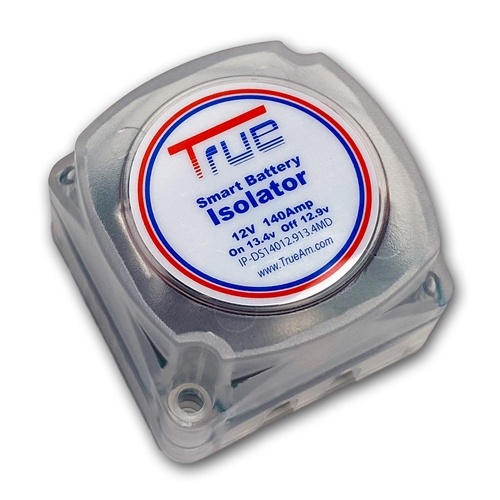
The Architecture and Function of Smart Battery Isolators
A Smart Battery Isolator (SBI) is a micro-processor-controlled relay engineered to manage dual-battery electrical systems in automotive, marine, and off-road applications. Its fundamental objective is to balance power distribution between a vehicle’s primary starting battery and an auxiliary battery, ensuring that non-essential electronic accessories cannot compromise the starting capability of the engine.
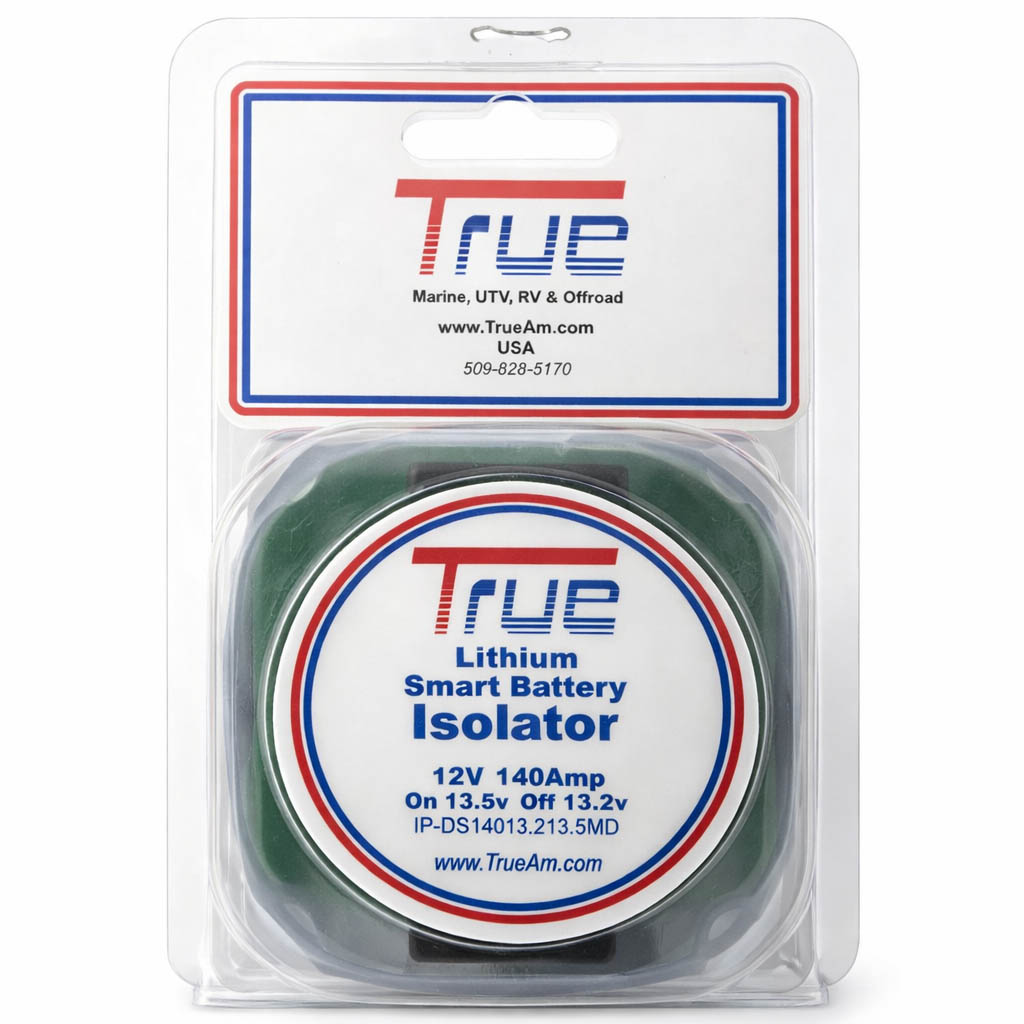
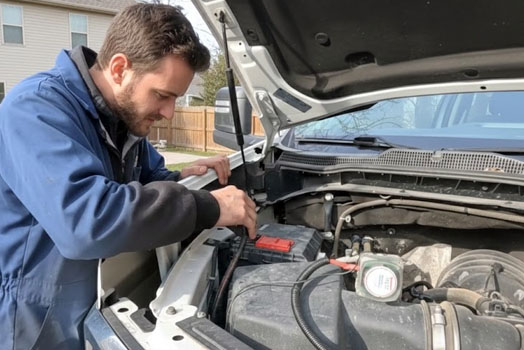
The core purpose of a smart battery isolator centers on automated power management and battery protection. In traditional dual-battery setups, leaving auxiliary equipment connected to a single power source risks depleting the starter battery, which leaves the vehicle stranded. A smart battery isolator prevents this failure point by continuously monitoring system voltage. When the engine shuts down and alternator output ceases, the device isolates the primary battery from the rest of the electrical network. This mechanism ensures that high-draw accessories draw power exclusively from the secondary battery while preserving full cranking amperage in the starting battery.
The capability profile of a smart battery isolator stems from continuous microprocessor-driven voltage sensing. Rather than relying on key-ignition signals or manual toggles, the isolator monitors voltage levels on the primary battery circuit. When the vehicle engine starts and the alternator begins charging, voltage rises. Upon reaching a preset upper voltage threshold, the smart isolator engages, connecting both batteries in parallel so the secondary unit receives charge. Conversely, when the engine is turned off and system voltage settles below a designated lower threshold, the relay disengages to separate the two power circuits completely.
Modern lithium battery isolators deliver several distinct technical capabilities over legacy isolation technologies. Unlike traditional diode-based isolators, which induce a voltage drop across the circuit and hinder complete battery charging, smart isolators use high-current solenoid relays that maintain zero voltage drop. Advanced units also feature bi-directional voltage sensing, allowing the primary battery to receive charge if a solar panel or shore-power charger is connected directly to the auxiliary side. Furthermore, many isolators include manual emergency override functions that allow operators to temporarily cross-connect both batteries, enabling self-jump-starting if the primary battery experiences unexpected failure. Thermal overload prevention and transient voltage spike protection round out their feature set, shielding sensitive vehicle electronics from electrical noise and excess heat generated during heavy charging cycles.
Smart Battery Isolator: Advantages, Functions, and Capabilities
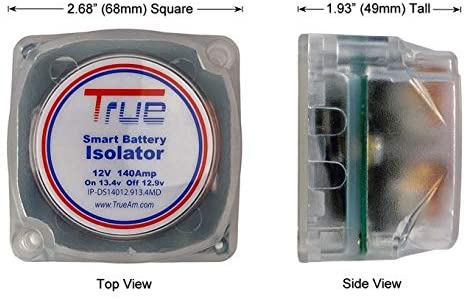 The TrueAm Smart Battery Isolator (SBI) is an automated, voltage-sensitive relay system engineered by True Amalgamated to streamline dual-battery setups across UTVs, off-road vehicles, marine vessels, and automotive applications. It prioritizes starter battery health while efficiently routing alternator power to charge auxiliary batteries powering winches, sound systems, lights, and fridges.
Core Purpose and Functionality
The primary function of the battery isolator is complete, hands-free battery isolation and dynamic charging management. When the vehicle engine is turned on and the alternator brings the primary starting battery voltage up to 13.4 volts, the True SBI engages (cut-in threshold) to link both batteries in parallel for simultaneous charging. When the engine is turned off and system voltage settles down to 12.9 volts, the battery isolator disengages (cut-out threshold), severing the connection between the batteries. This guarantees that high-draw accessories powered by the auxiliary battery cannot drain the starter battery, preventing dead-battery situations in remote environments.
Key Advantages and Technical Capabilities
-
Zero Voltage Drop Technology: Unlike traditional diode isolators that cause a 0.6V to 0.8V voltage drop—wasting energy as heat and forcing the use of heavy aluminum heat sinks—the True smart battery isolator uses high-current relay architecture that delivers 100% of alternator power to the secondary battery without voltage loss.
-
Key Advantages of True Smart Battery Isolators Power Efficiency Programming (P.E.P.®): lithium battery isolator incorporates proprietary P.E.P. logic, featuring a built-in 10-second delay during engage and disengage cycles. This delay prevents relay chatter caused by momentary voltage drops, protecting internal switching mechanisms and ensuring the starter battery has stabilized before introducing additional load.
-
Dual-Sensing & Bi-Directional Charging: Featuring dual-voltage sensing, the dual battery isolator monitors voltage levels on both sides of the circuit. If an external charger or solar panel is connected directly to the auxiliary battery, the unit automatically recognizes the voltage increase and opens the gate to allow maintenance charging to flow back to the main starter battery. This dual-sensing architecture also makes installation foolproof, preventing improper reversed wiring setups.
-
Extreme Environmental Durability: Built for high-vibration off-road environments, the True SBI features a fully sealed, silicone-covered printed circuit board and splash-resistant housing, rendering it completely waterproof and weather-resistant. The housing is designed with a clear casing, enabling 360-degree visibility of the blue LED indicator without requiring physical holes in the shell.
-
Ignition Protection & Safety Certifications: The battery isolator is rated for continuous 140A power handling (with up to 170A intermittent surges), it carries UL1107/UL1500 ignition protection standards, shielding vehicle electronics from voltage spikes and ignition surges.
—————————————–
Related topics
Plug and Power: Smart Battery Isolators That Work Without Alternator Modification
What are the different types of battery isolators and their pros and cons?
Top 20 Automotive Models Requiring Dual Battery Isolators for Optimal Performance
How Battery Isolators Improve Electrical Safety in Modified Vehicles
How does a battery isolator works in your boats and vehicles?
Why 12V Battery Isolator Relay is Better than Diode Isolator?