

From Battery Isolators to Intelligent Power Management: Where Automotive Technology Is Heading
Automotive electrical systems have changed dramatically over the past several decades. Vehicles that once relied primarily on a single battery to start an engine now operate dozens of electronic systems, accessories, computers and sensors.
At the same time, hybrid and electric vehicles are introducing entirely new approaches to vehicle power. As electrical demands continue to increase, battery isolators and intelligent power management systems are becoming increasingly relevant.
From Simple Battery Isolation to Smarter Power Management
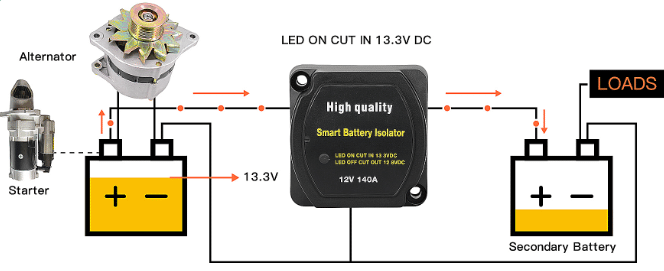
A traditional battery isolator has a straightforward purpose: separate two batteries while allowing them to be charged appropriately. In a conventional vehicle, this can mean keeping the starting battery available for engine starting while an auxiliary battery supplies power to accessories.
This approach is particularly useful in trucks, 4x4s, UTVs, RVs, boats and work vehicles equipped with high electrical loads. Lighting, winches, refrigerators, communication equipment, stereos and other accessories can consume substantial amounts of power.
Modern smart battery isolators take this concept further. Instead of simply connecting and disconnecting batteries based on a basic electrical condition, intelligent designs can monitor system voltage and respond automatically. This allows the charging system and auxiliary battery to work together while helping maintain separation when the starting battery needs protection.
Modern Vehicles Need More Electrical Power
Today’s vehicles are increasingly dependent on electrical systems. Digital dashboards, advanced driver-assistance systems, infotainment, cameras, navigation equipment, heated accessories and connected devices all contribute to electrical demand.
For vehicles used for work, recreation or overlanding, the demands can be even greater. An owner may add LED lighting, a winch, refrigerator, radio equipment, GPS equipment and multiple charging ports.
This creates a growing need for vehicle power management rather than simply adding another battery. The goal is to make sure available electrical energy is distributed appropriately between starting requirements and accessory demands.
The Shift Toward Electrification
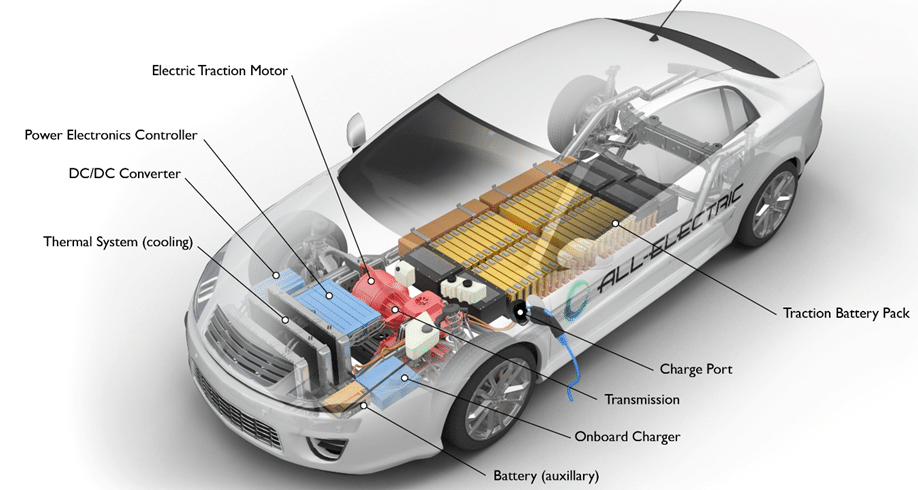
The move toward hybrid and electric vehicles is accelerating this transition. Electric vehicles use high-voltage battery systems for propulsion while also relying on lower-voltage electrical systems for many vehicle functions.
This does not mean a conventional battery isolator should be connected to an EV’s high-voltage traction battery. Those systems require specialized battery-management and safety technology. However, the continued use of low-voltage systems means that auxiliary power management remains relevant in certain applications.
Hybrid vehicles, electric trucks, specialized work vehicles and adventure vehicles may all have different requirements for managing accessory power.
What Comes Next?
The future of automotive electrical technology is likely to involve increasingly intelligent communication between batteries, charging systems and vehicle electronics. Instead of treating batteries as independent components, modern systems are increasingly designed around integrated power management.
For conventional vehicles, a smart battery isolator can be an important part of that architecture. For more advanced vehicles, power management may involve sophisticated electronic controls, sensors and vehicle-specific charging strategies.
The basic goal remains familiar: keep essential vehicle systems powered while providing reliable energy for everything else.
As vehicles become more electrically dependent, understanding battery isolation, auxiliary batteries and intelligent power management will become increasingly important. The battery isolator may have started as a simple solution for separating batteries, but its role reflects a much larger change in automotive technology—the transition from mechanical vehicles to increasingly sophisticated electrical platforms.
Recent Posts
- From Battery Isolators to Intelligent Power Management: Where Automotive Technology Is Heading
- When Should You Upgrade to a GMT800 Dual Battery Kit vs. Running a High-Output Alternator Alone?
- Electric Cars Still Have 12V Batteries—So Where Does a Battery Isolator Fit?
- The Architecture and Function of Smart Battery Isolators
- From Workhorse to Adventure Rig: The Honda Pioneer Transformation
- Tools and Supplies Needed Before Starting UTV Dual Battery Kit Installation
- How to Calculate Your UTV’s Power Draw for Accessories
- Solar Charging Addons to Complement a Dual Battery Setup
- What are the best spots for off-roading in Alabama
- Upgrading Your Auxiliary Car Battery Installation Kit from AGM to Lithium (LiFePO4)